Transformation of a car repair shop into a music school
- Years: 2021 - 2024
- Location: Lausanne (CH)
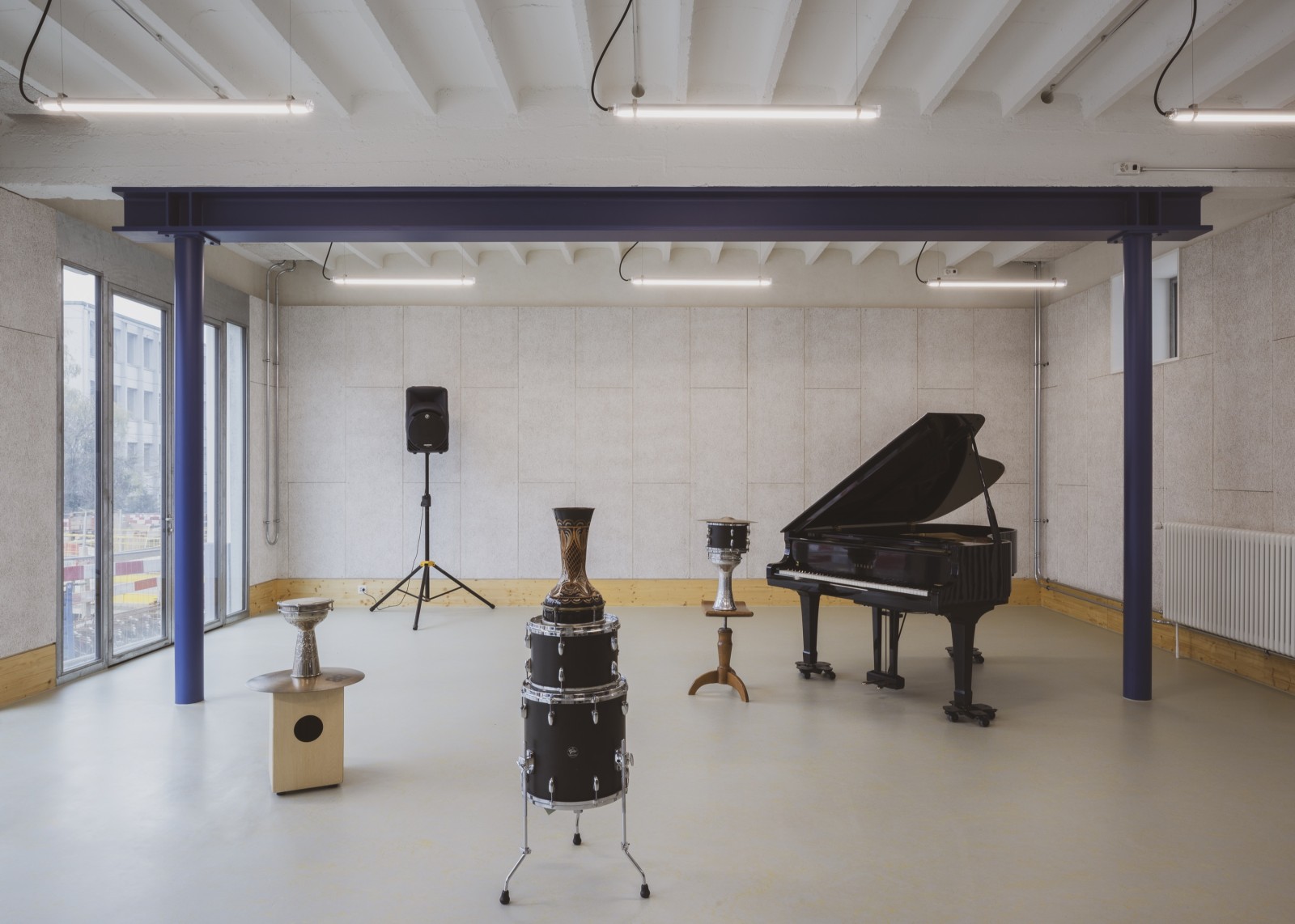
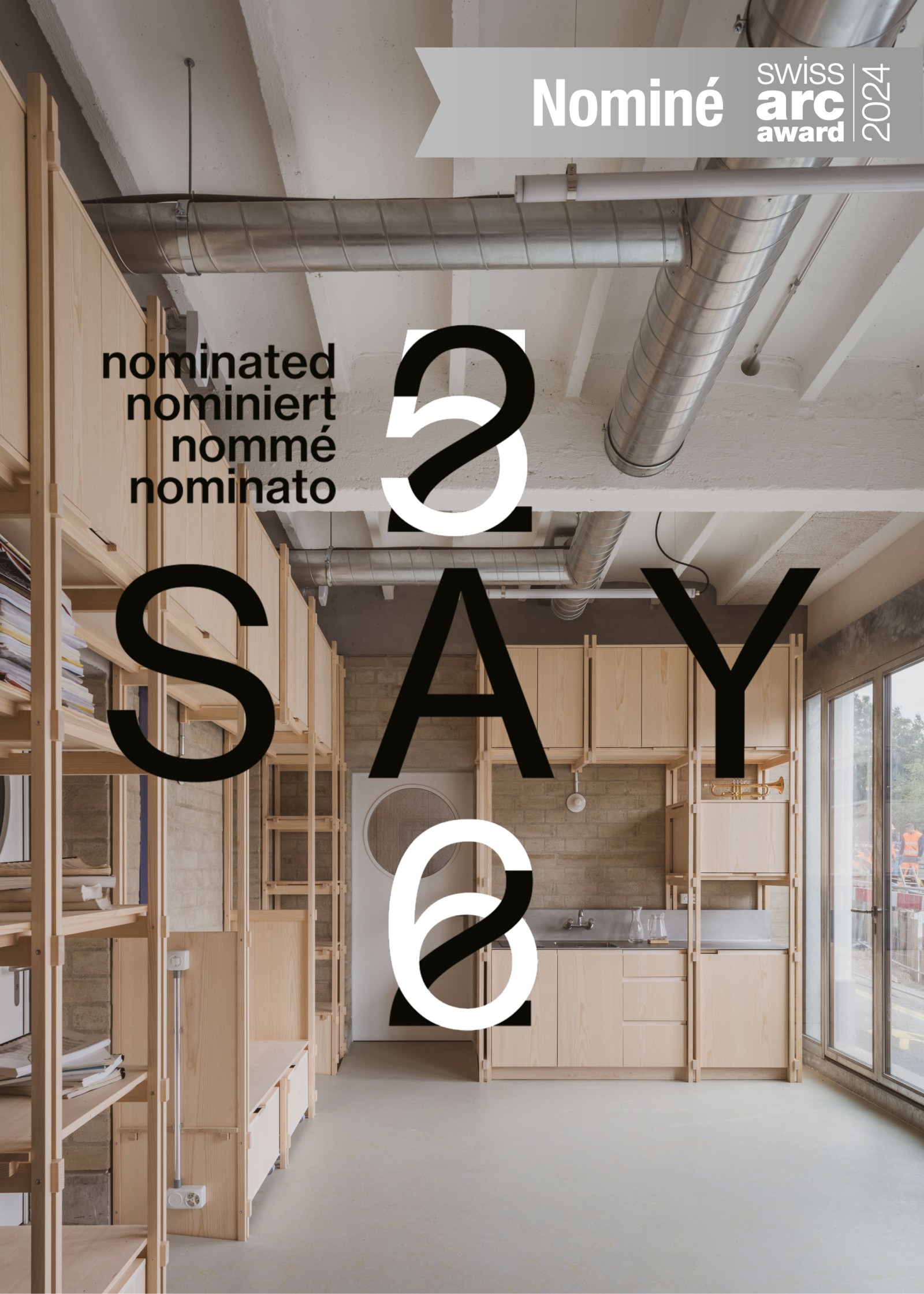
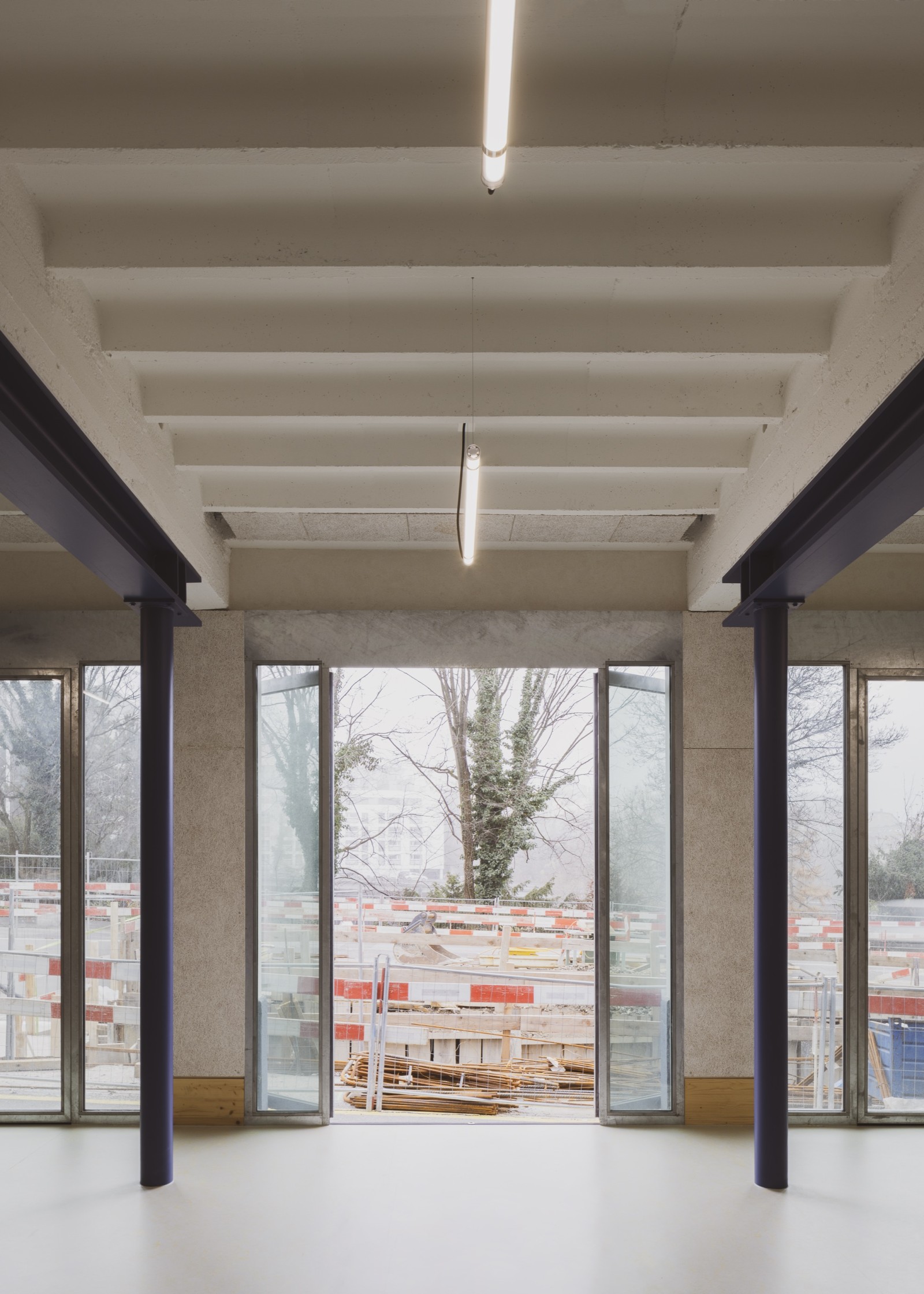
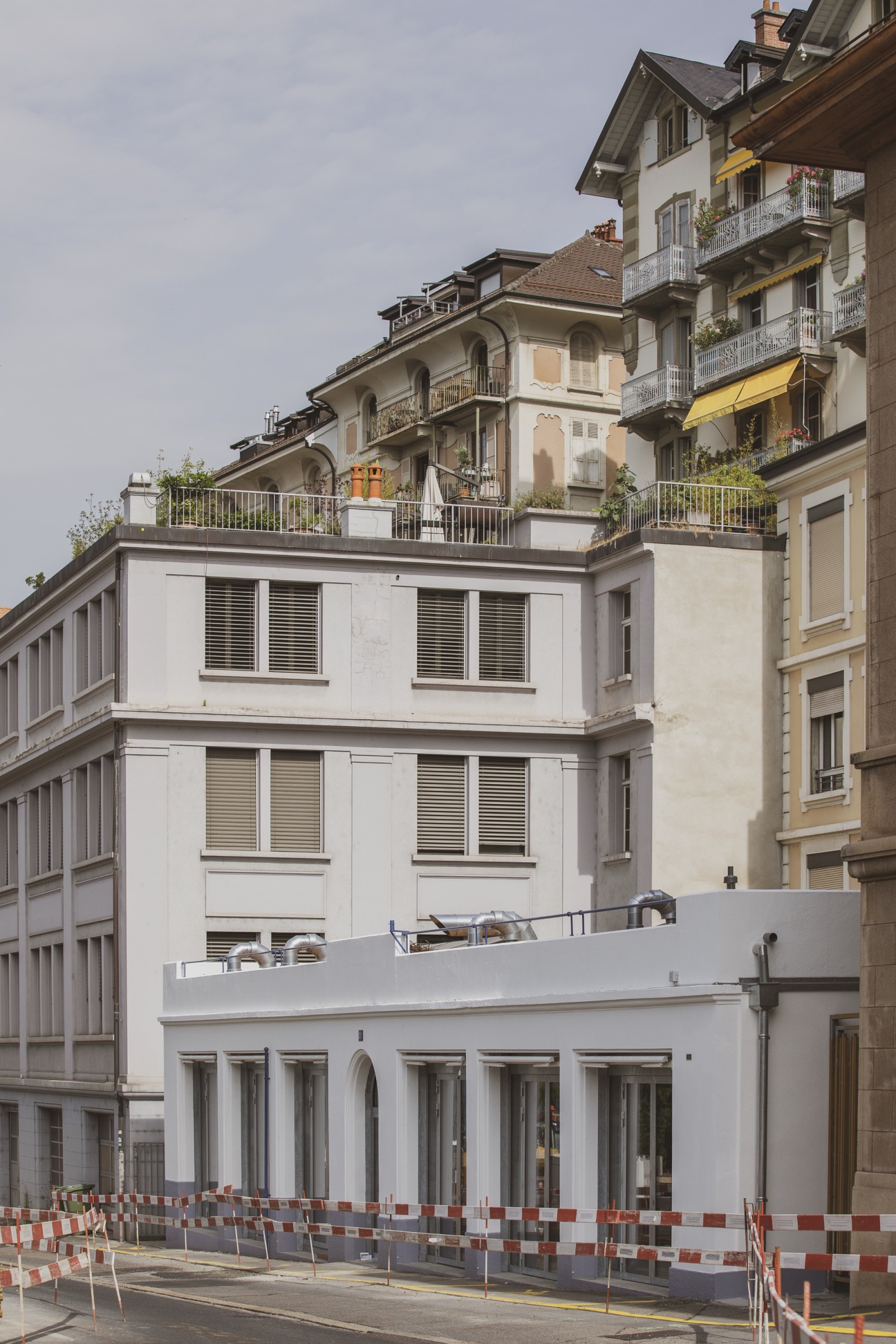
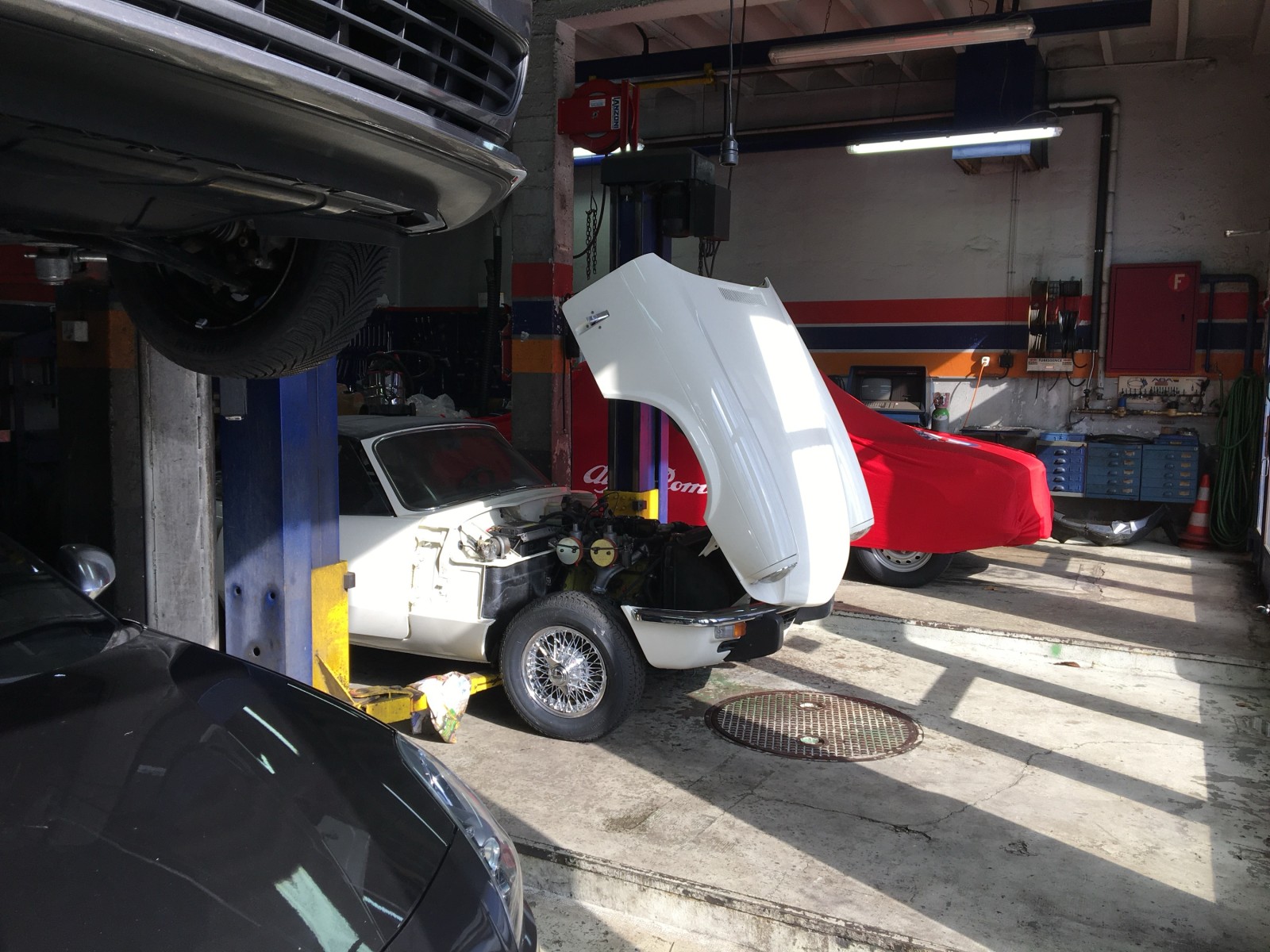
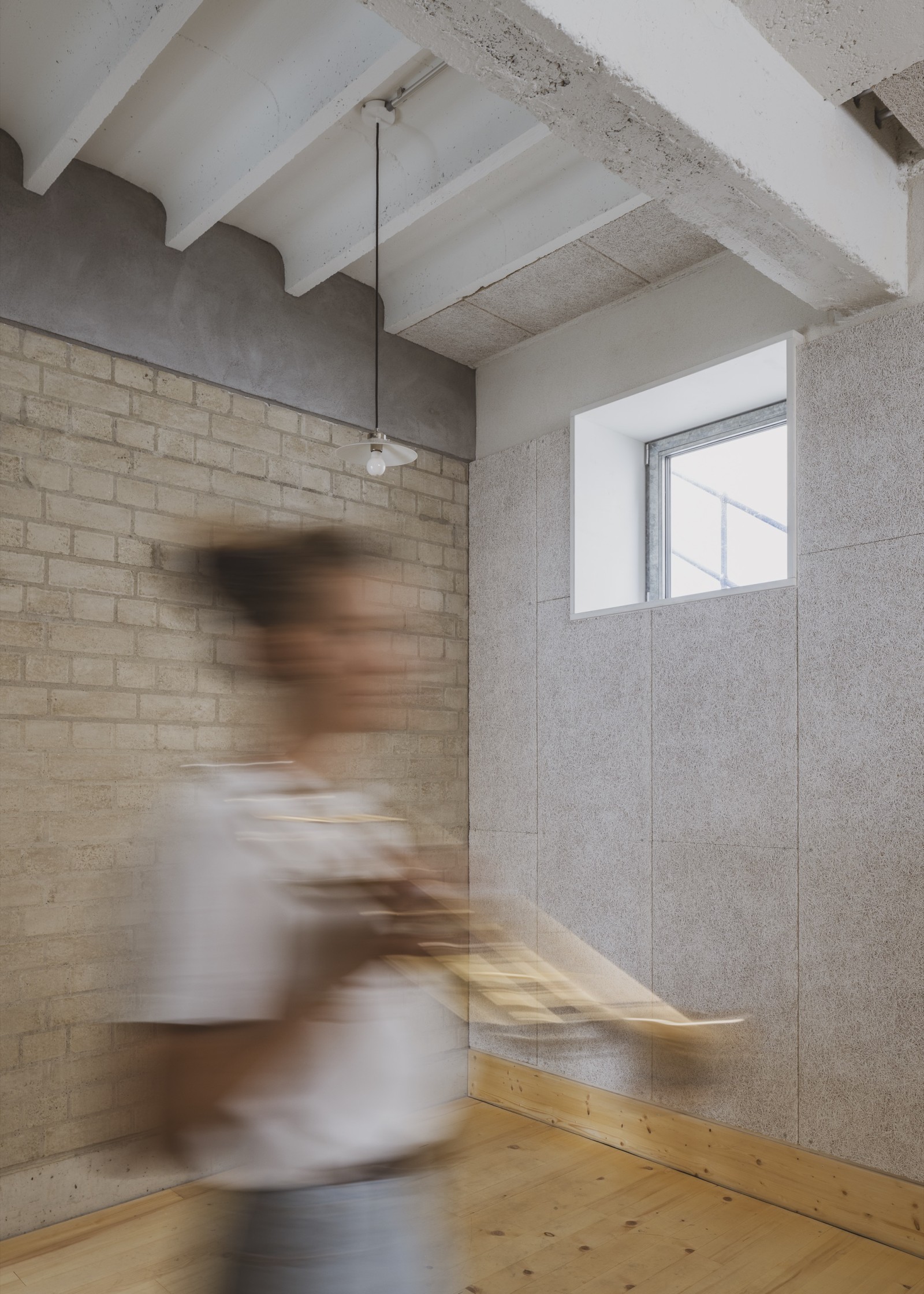
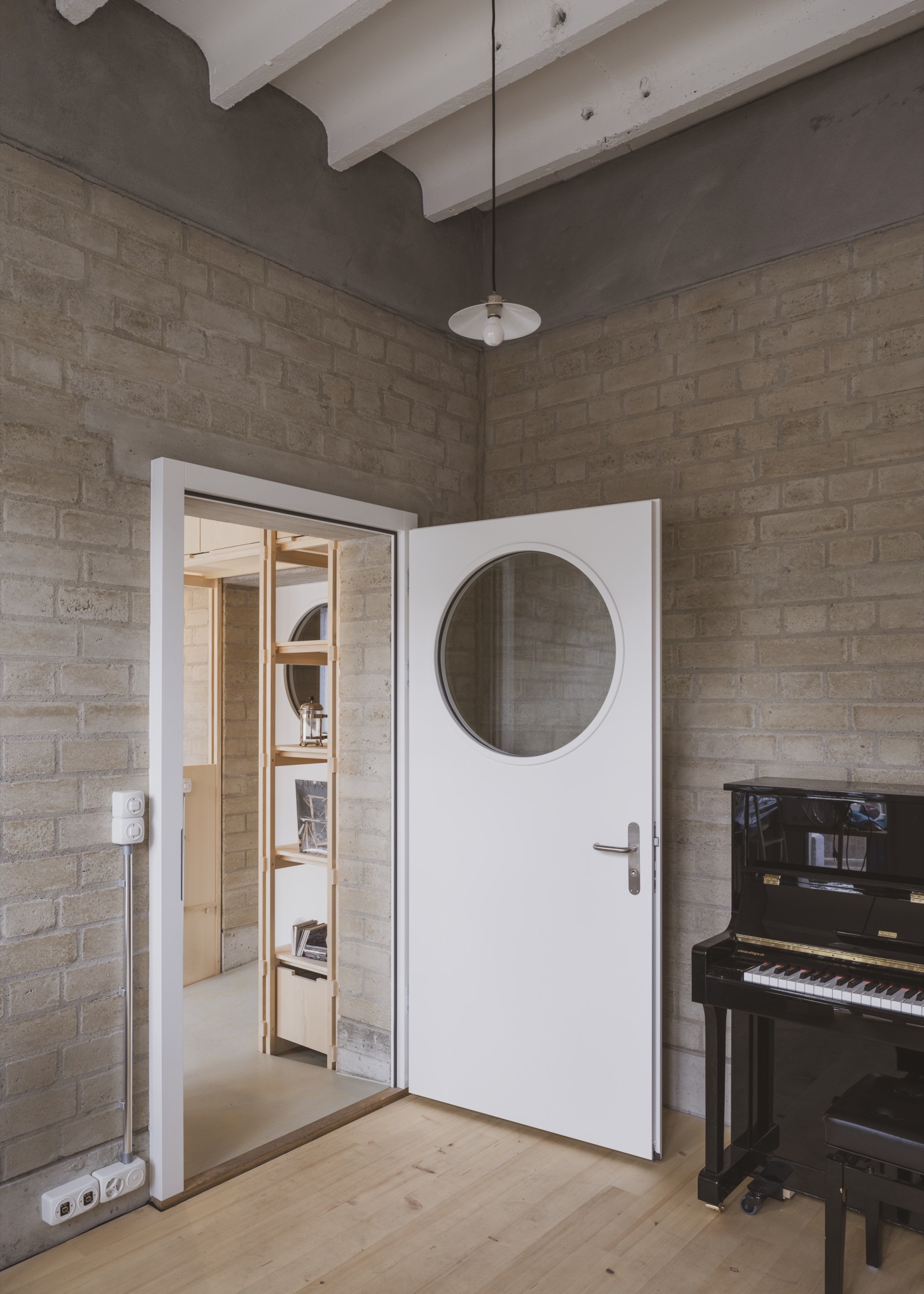
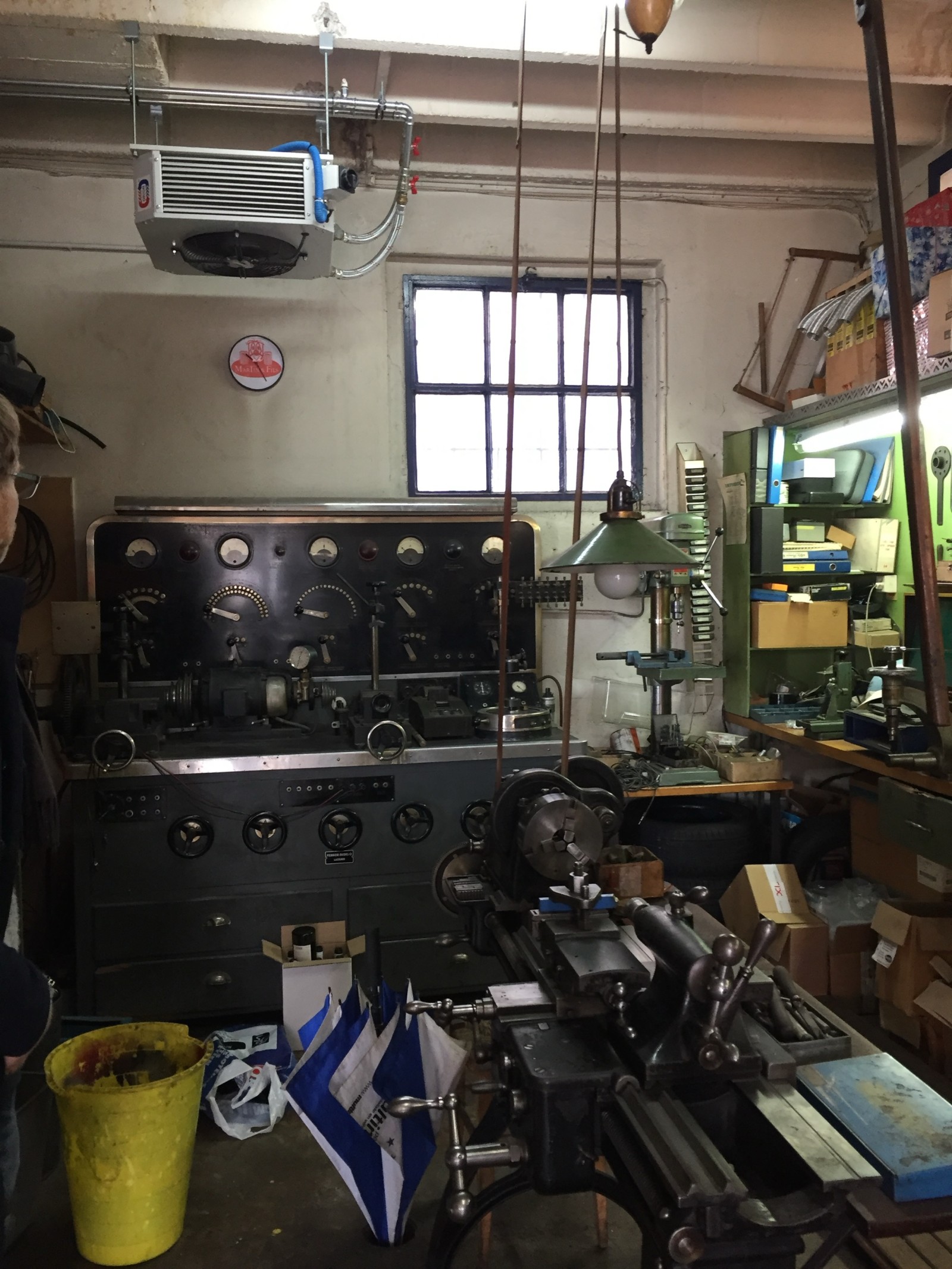
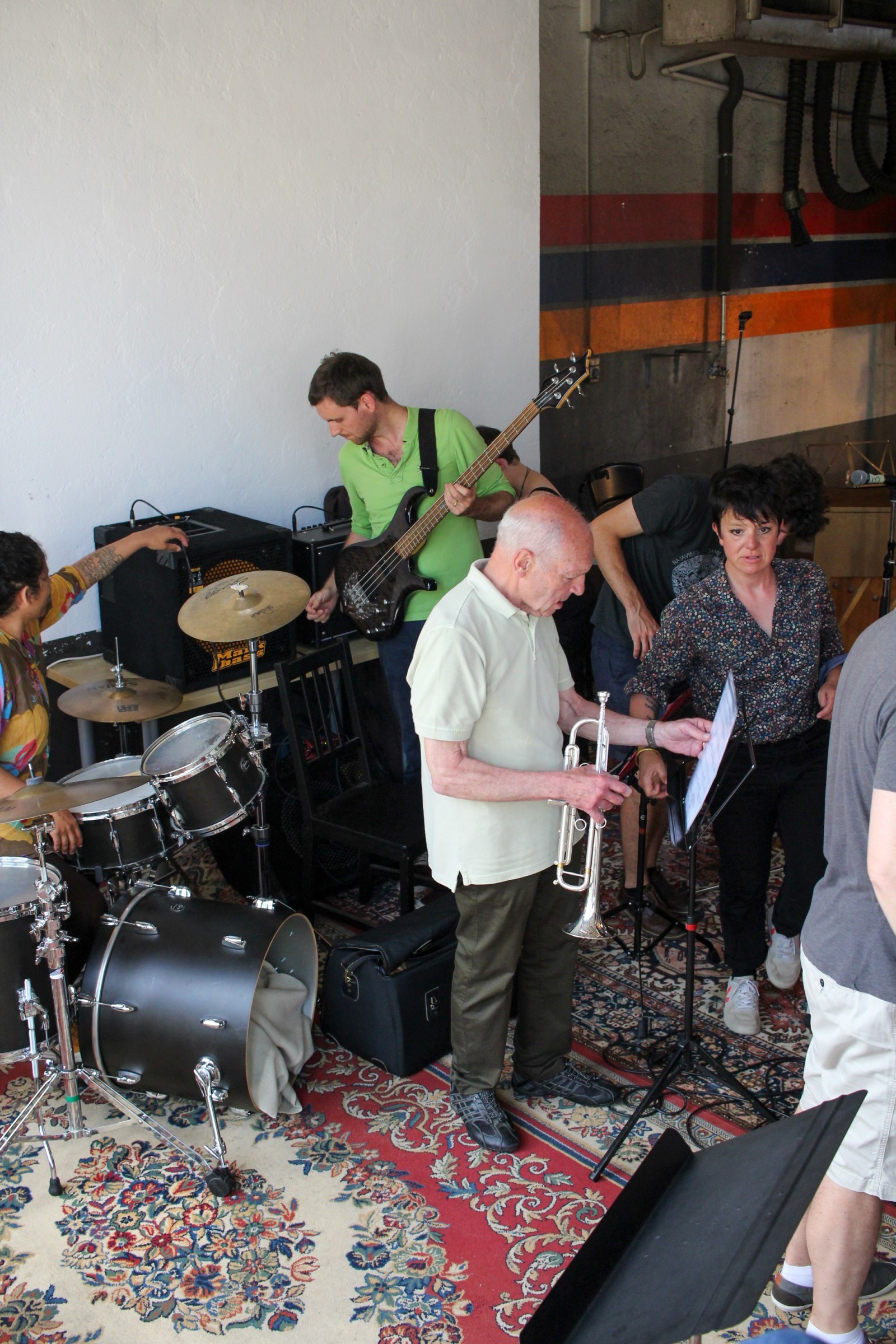
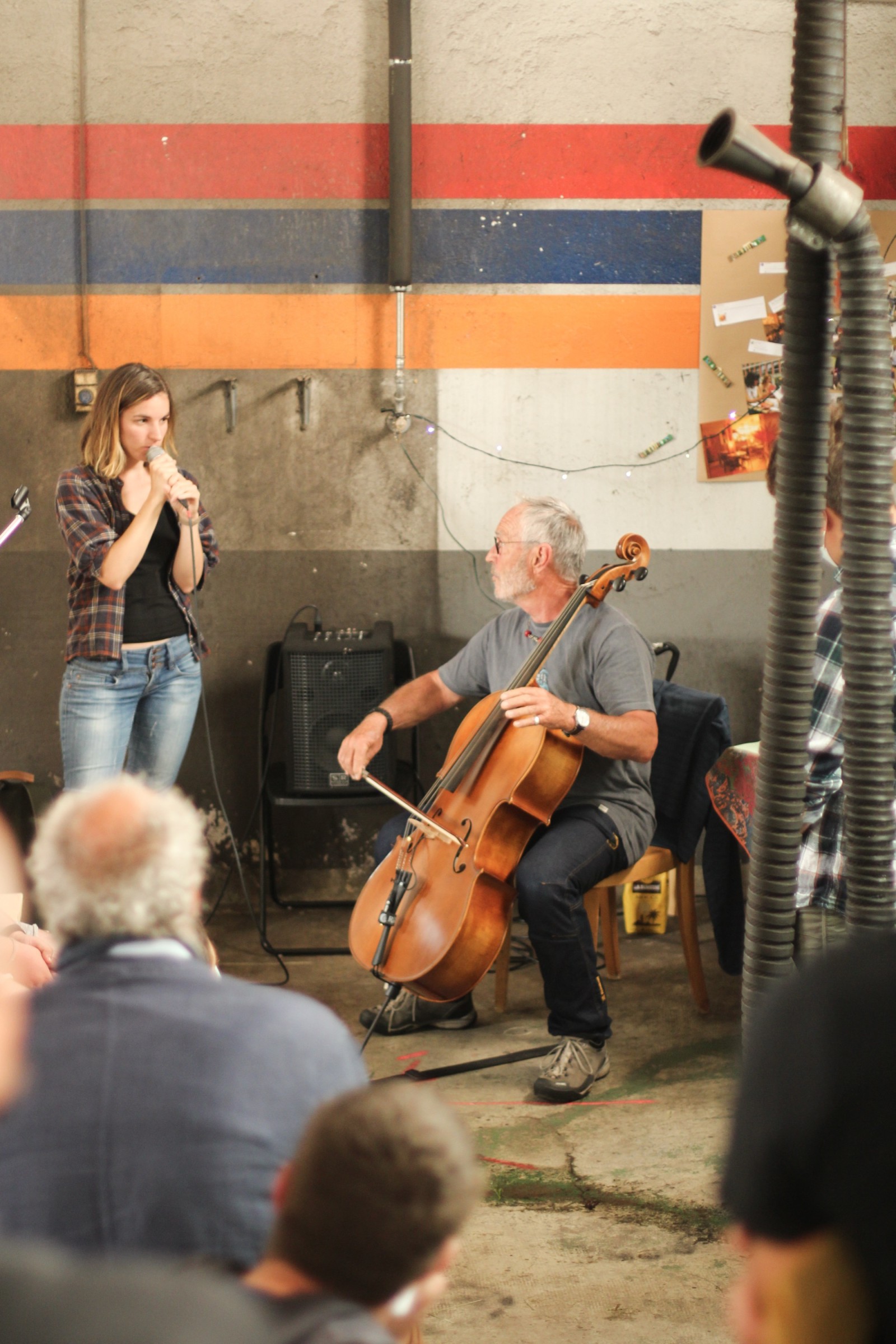
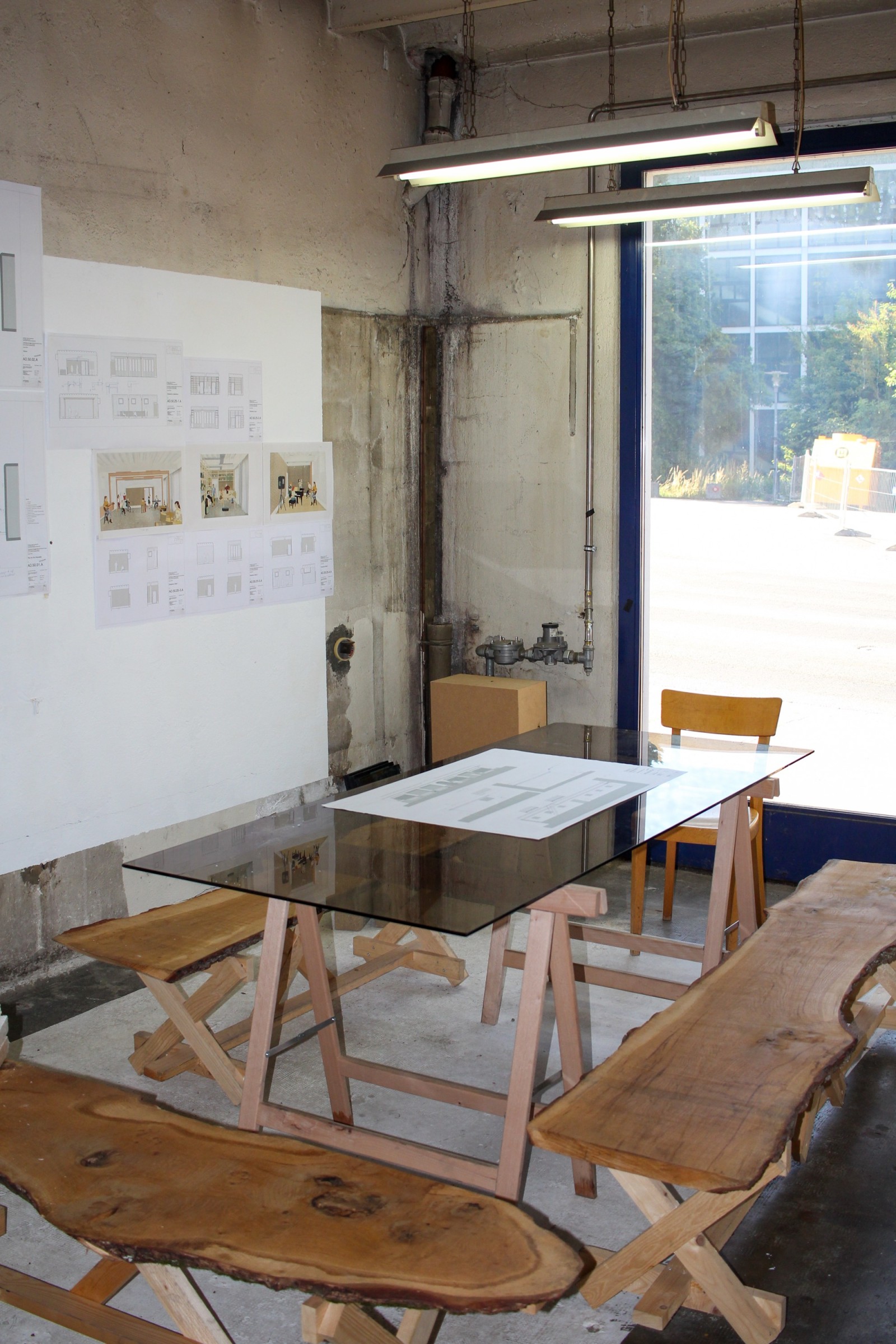
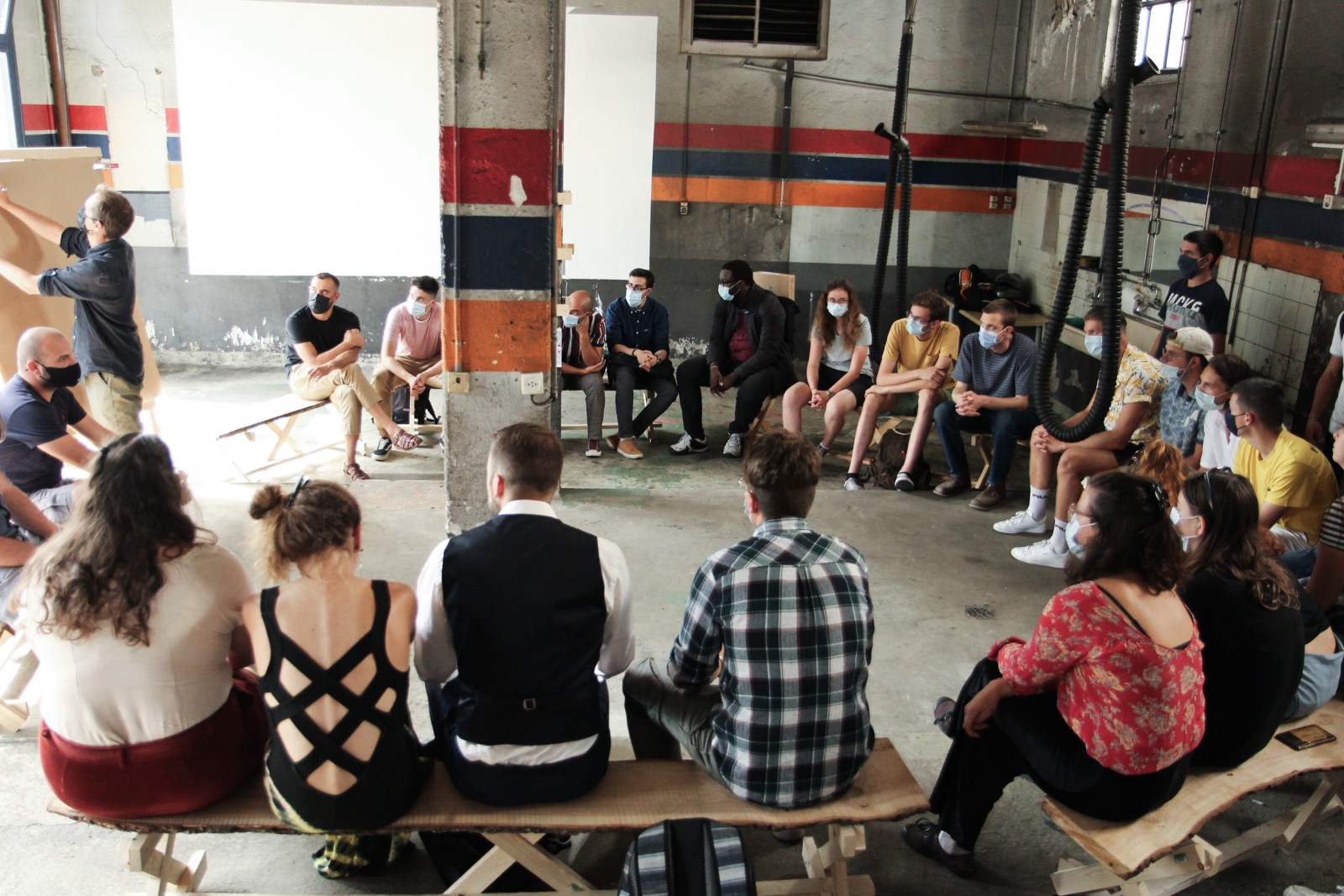
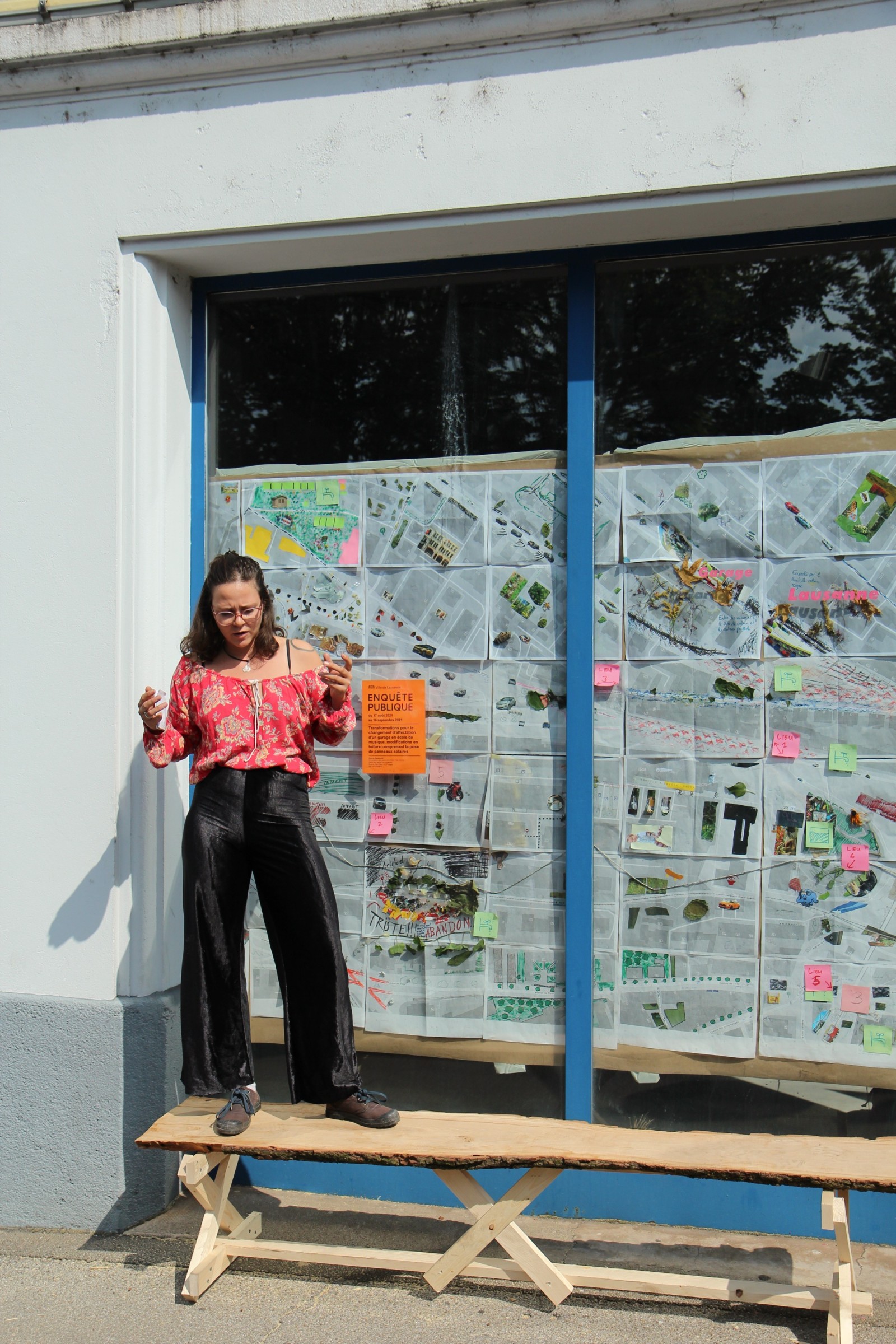
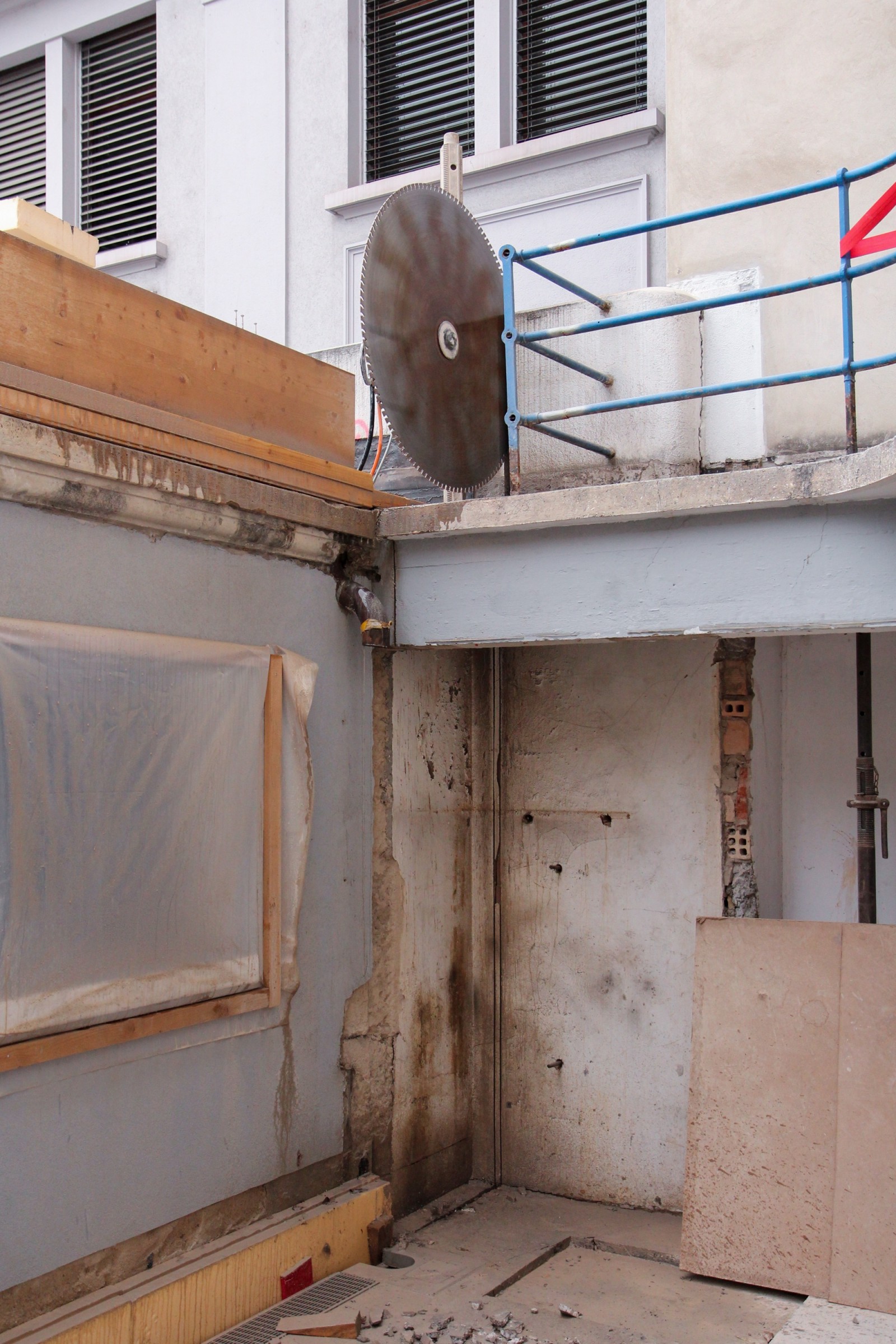
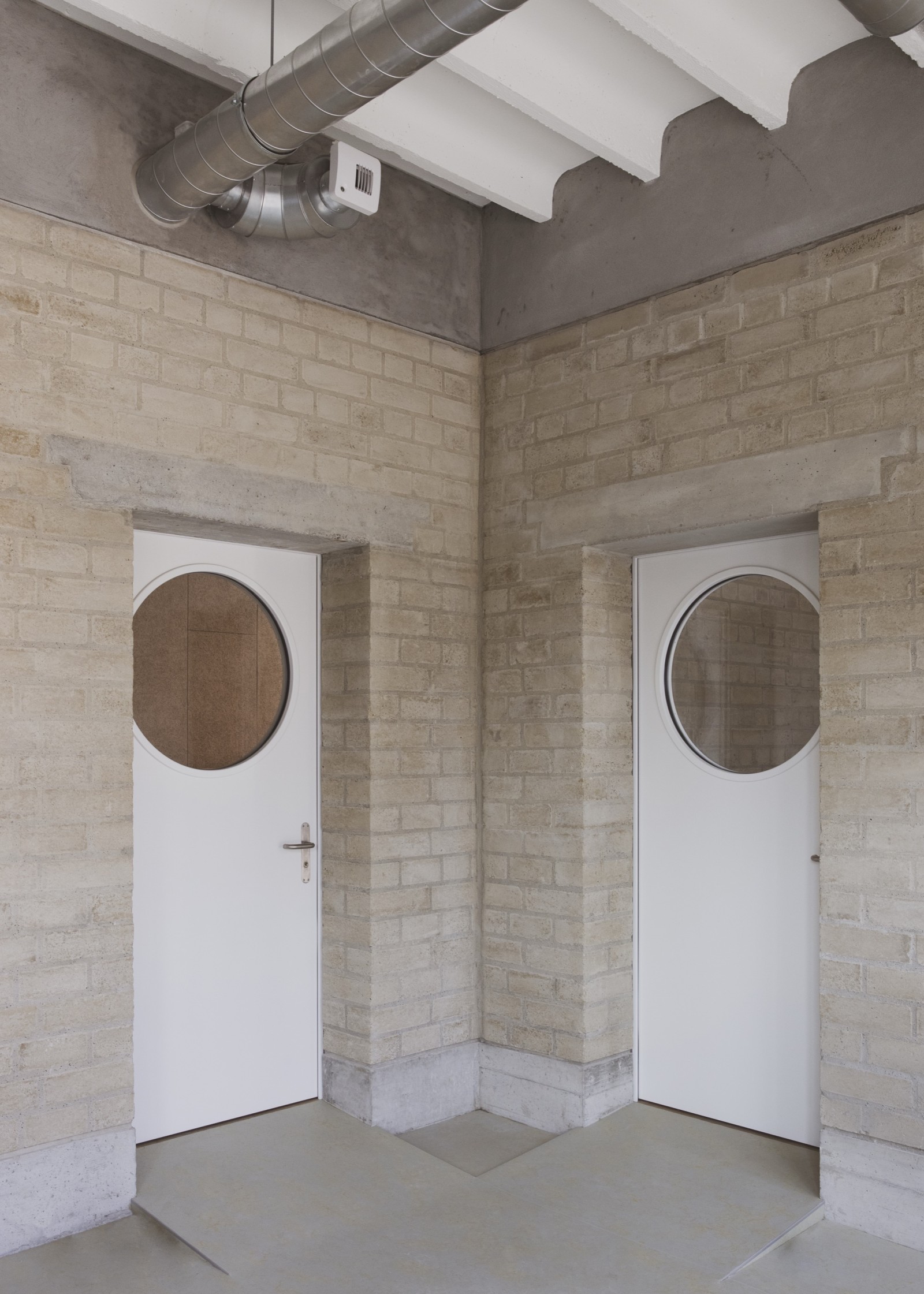
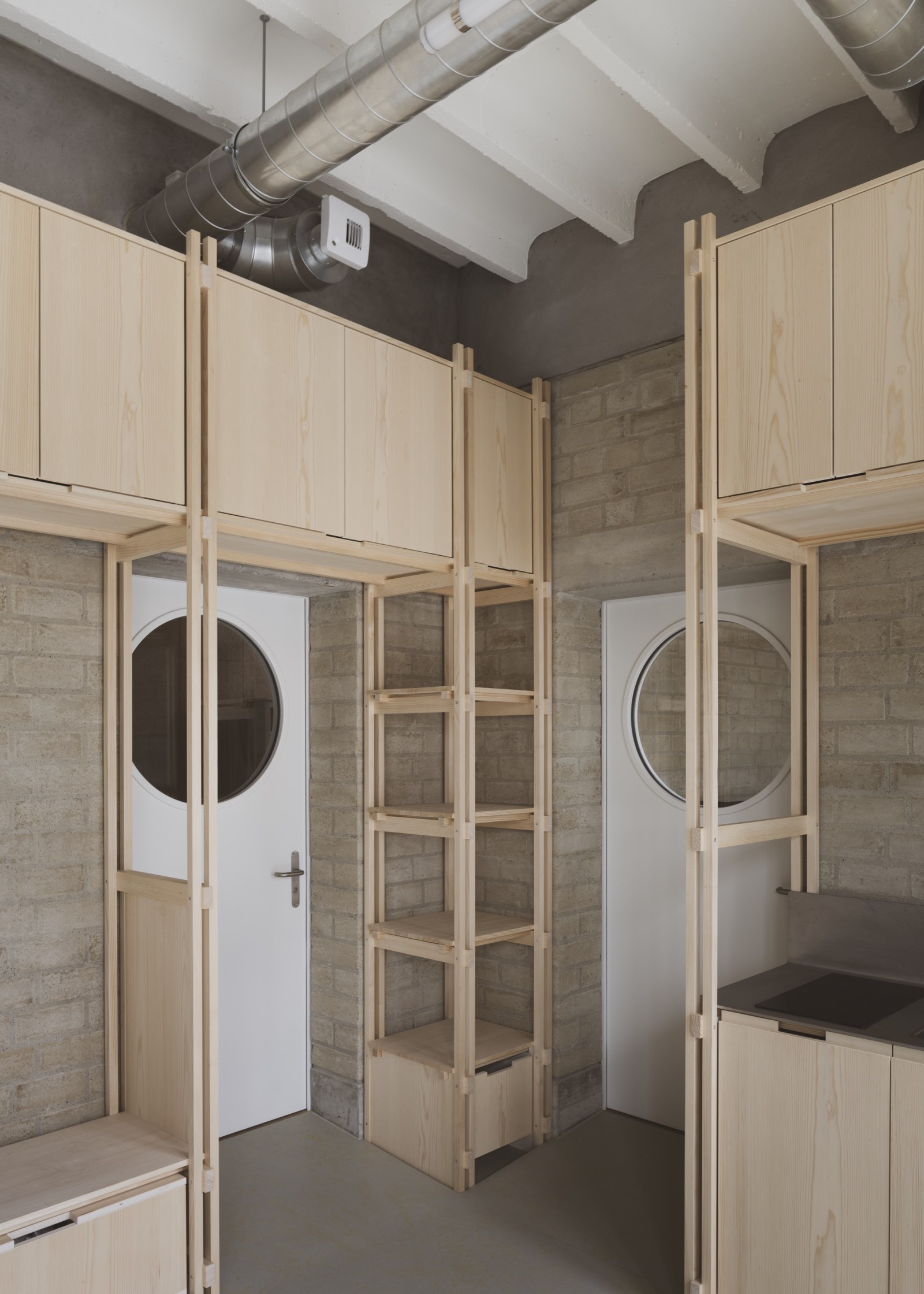
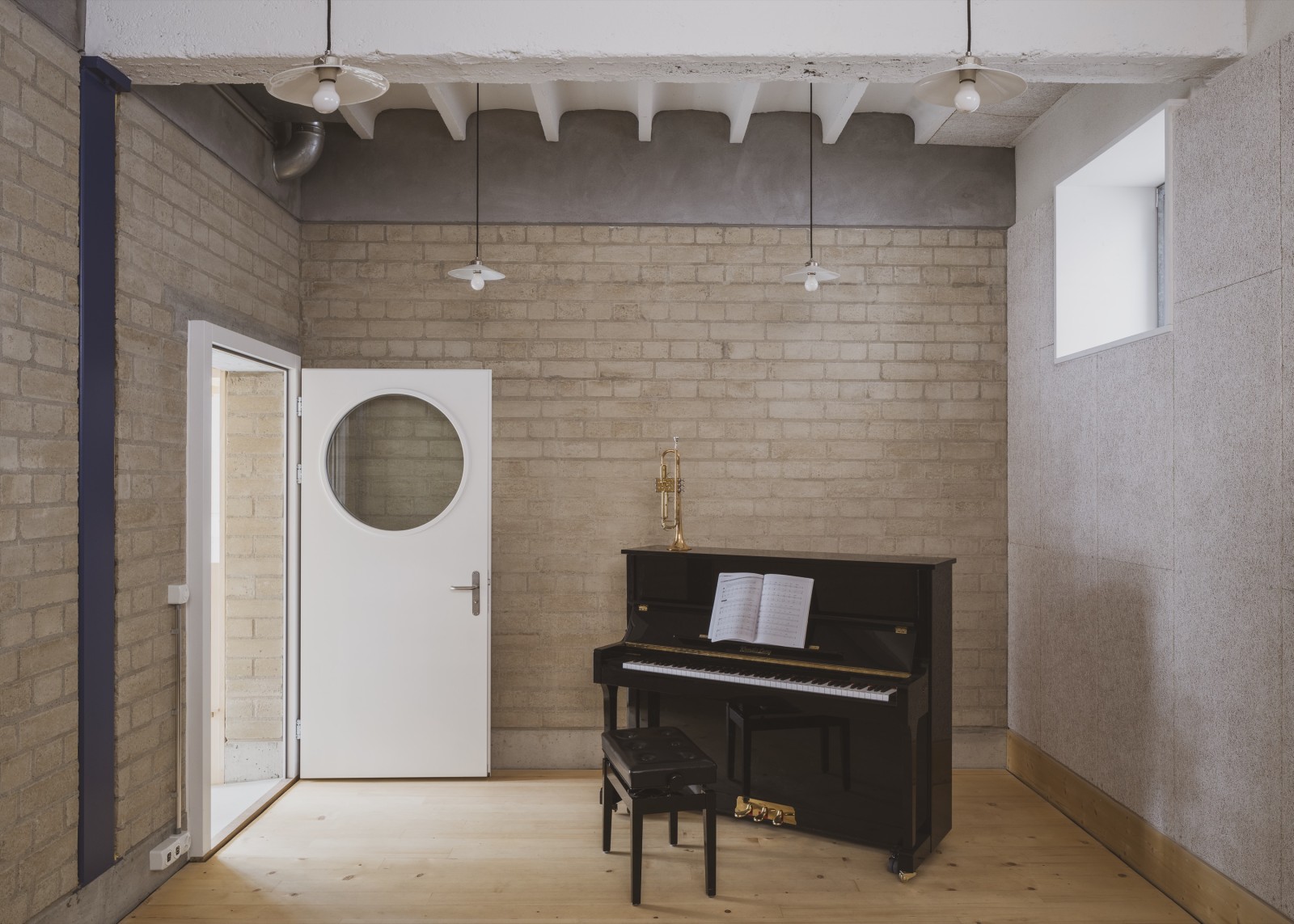
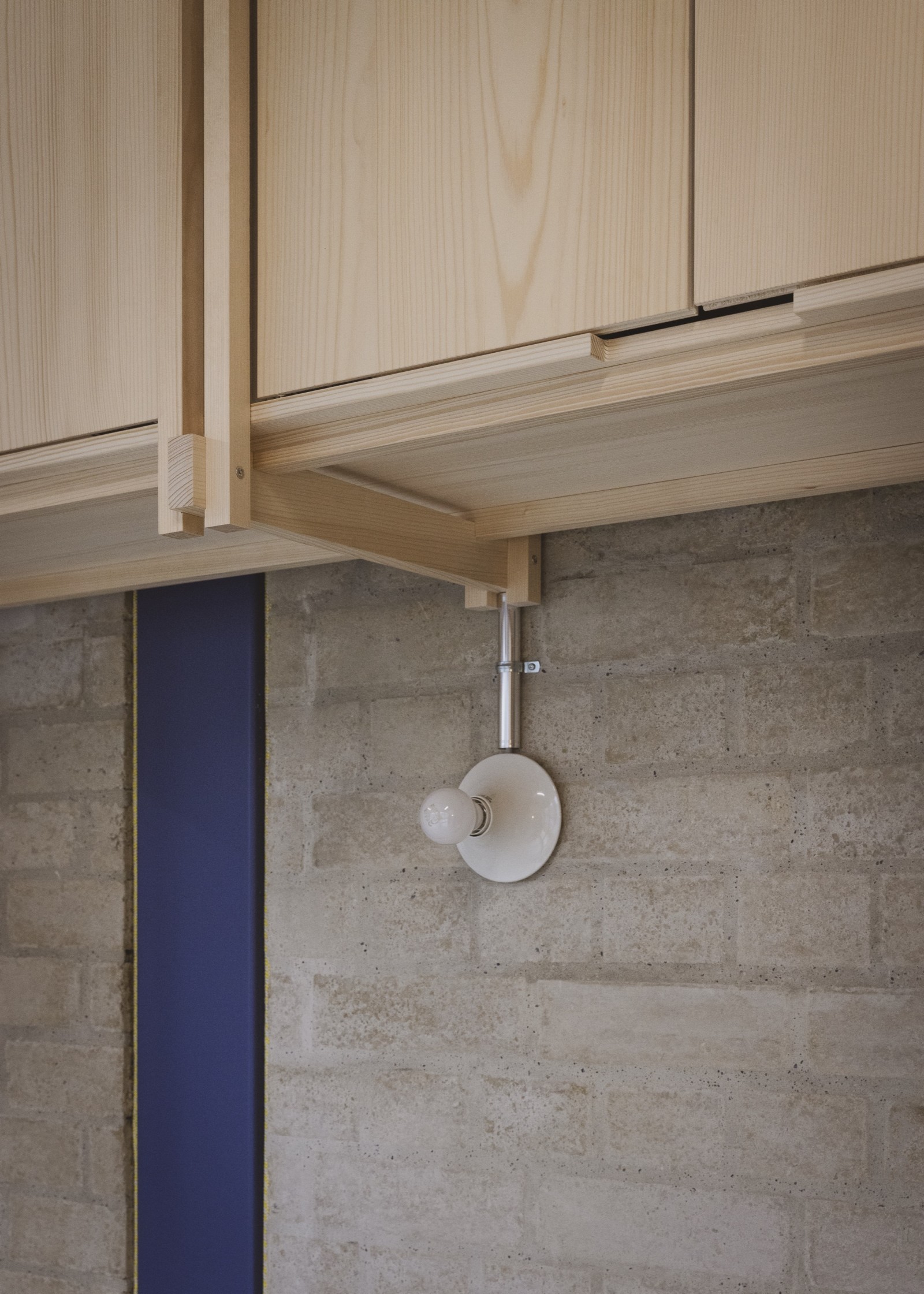
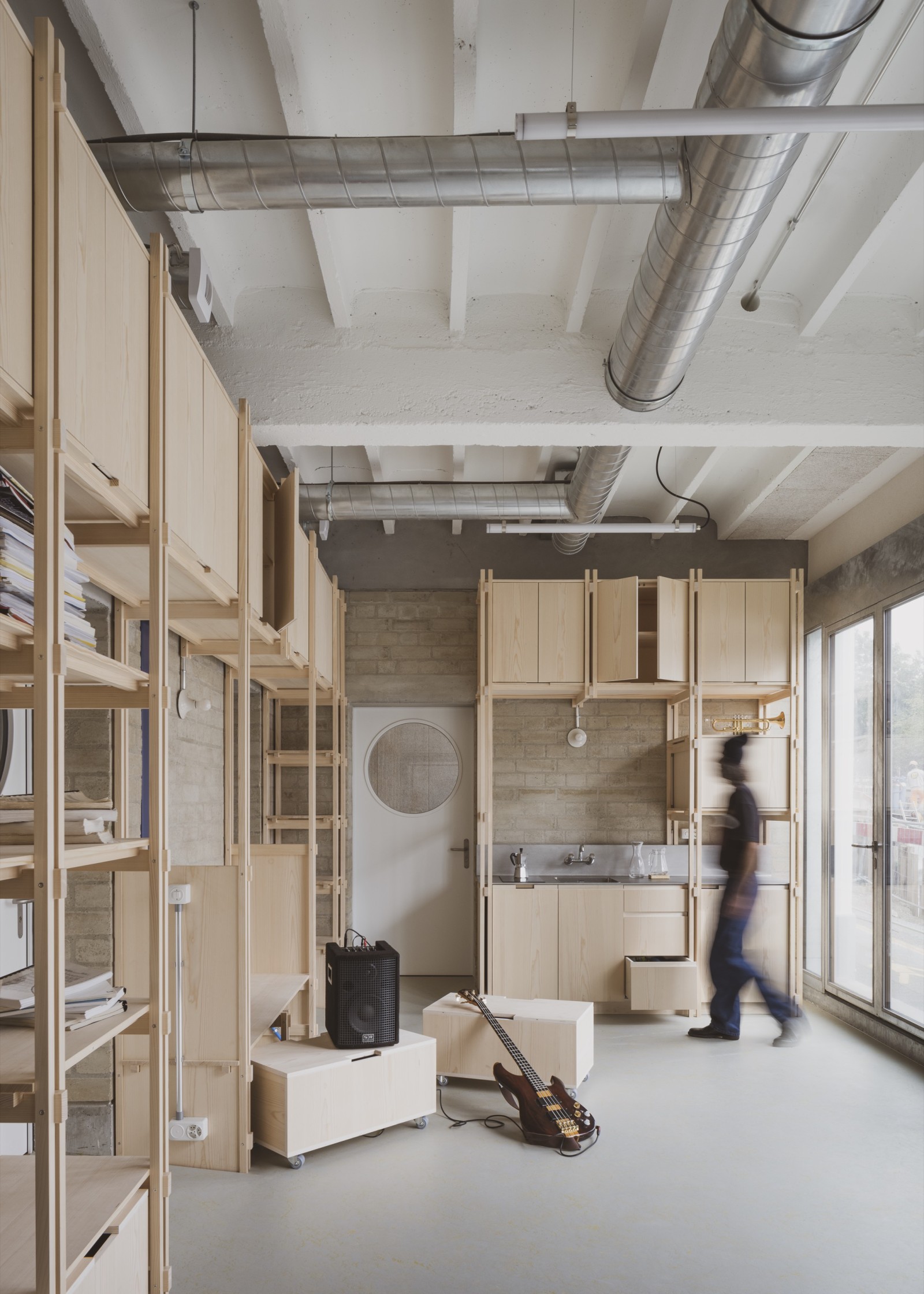
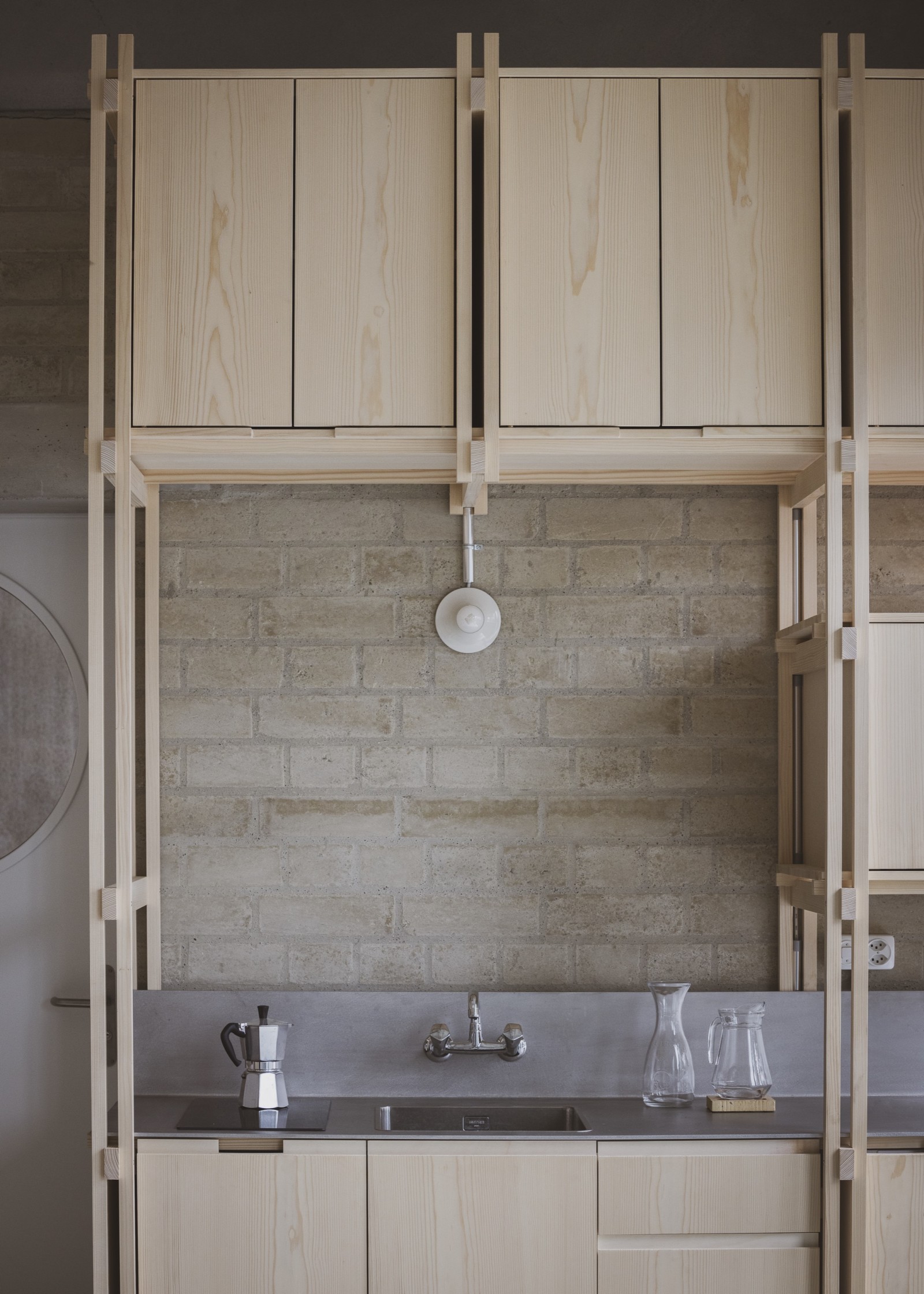
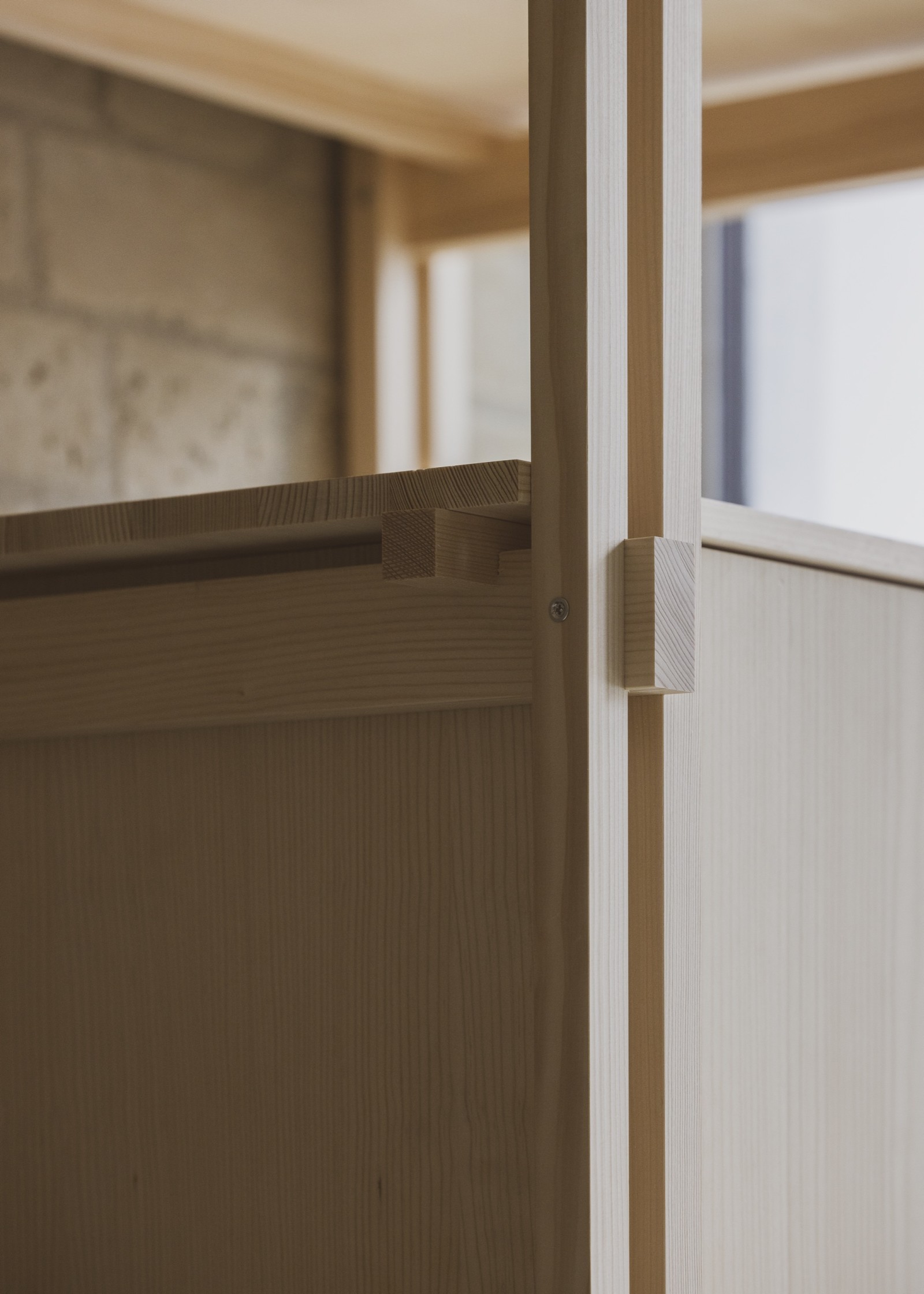
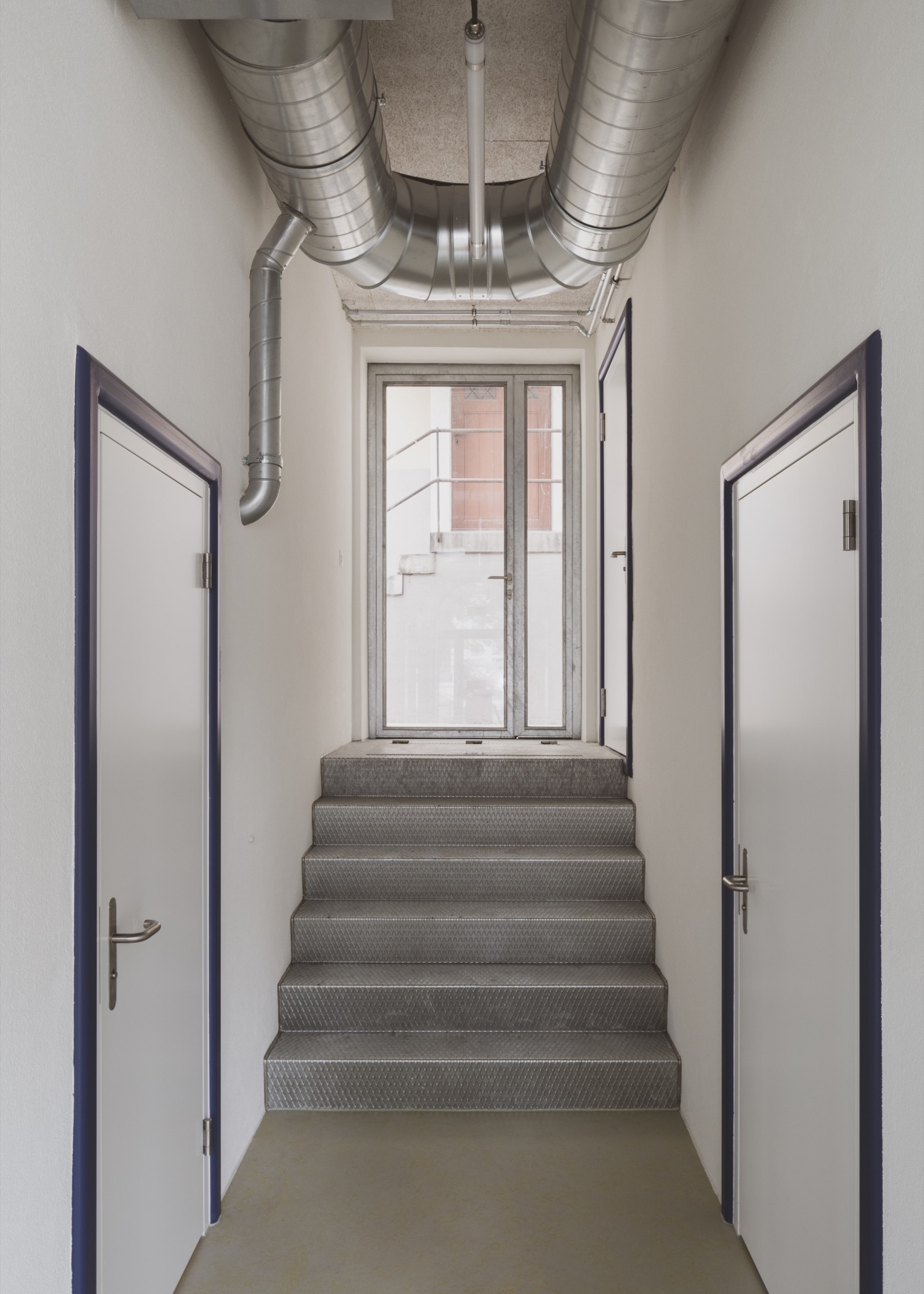
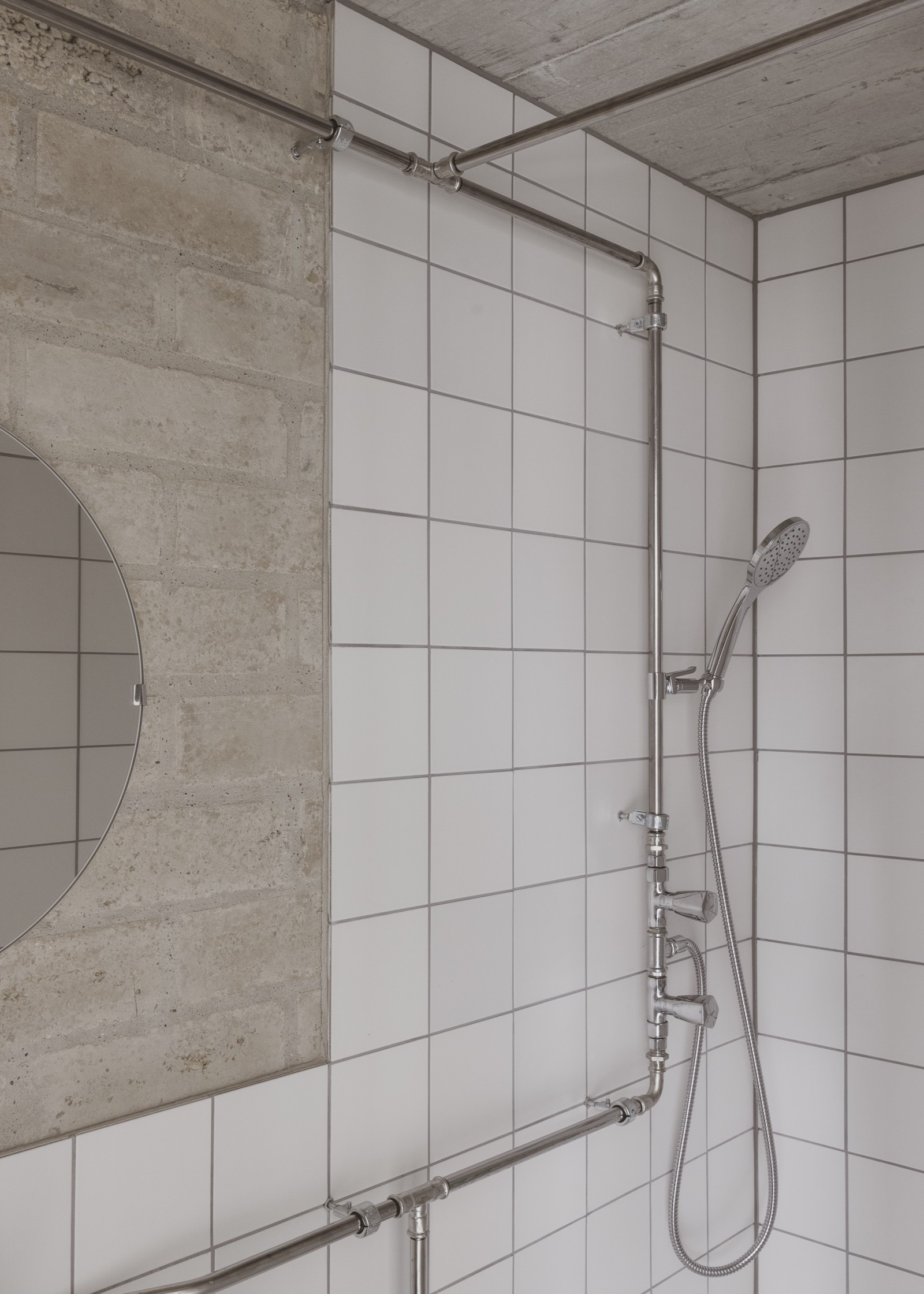
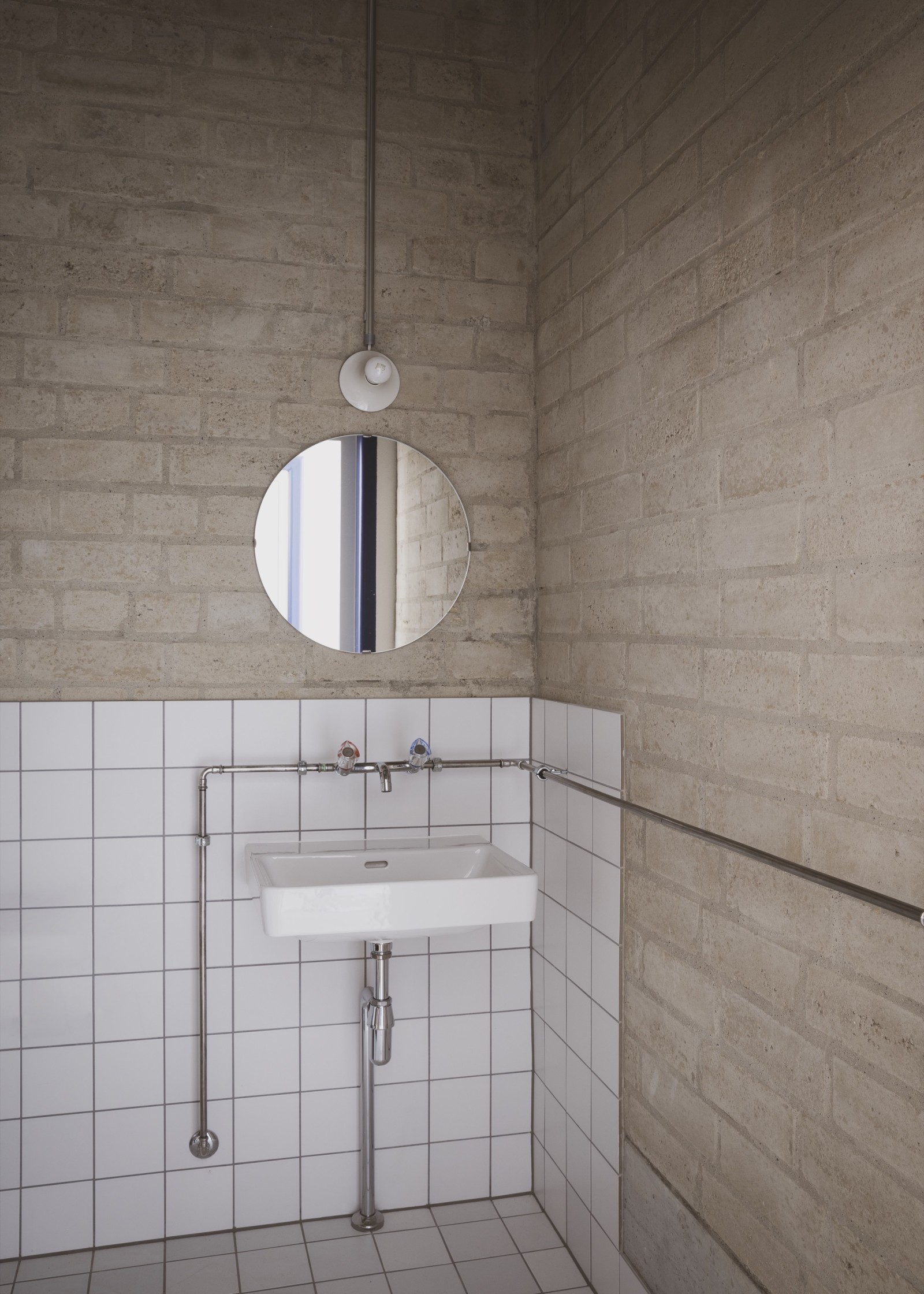
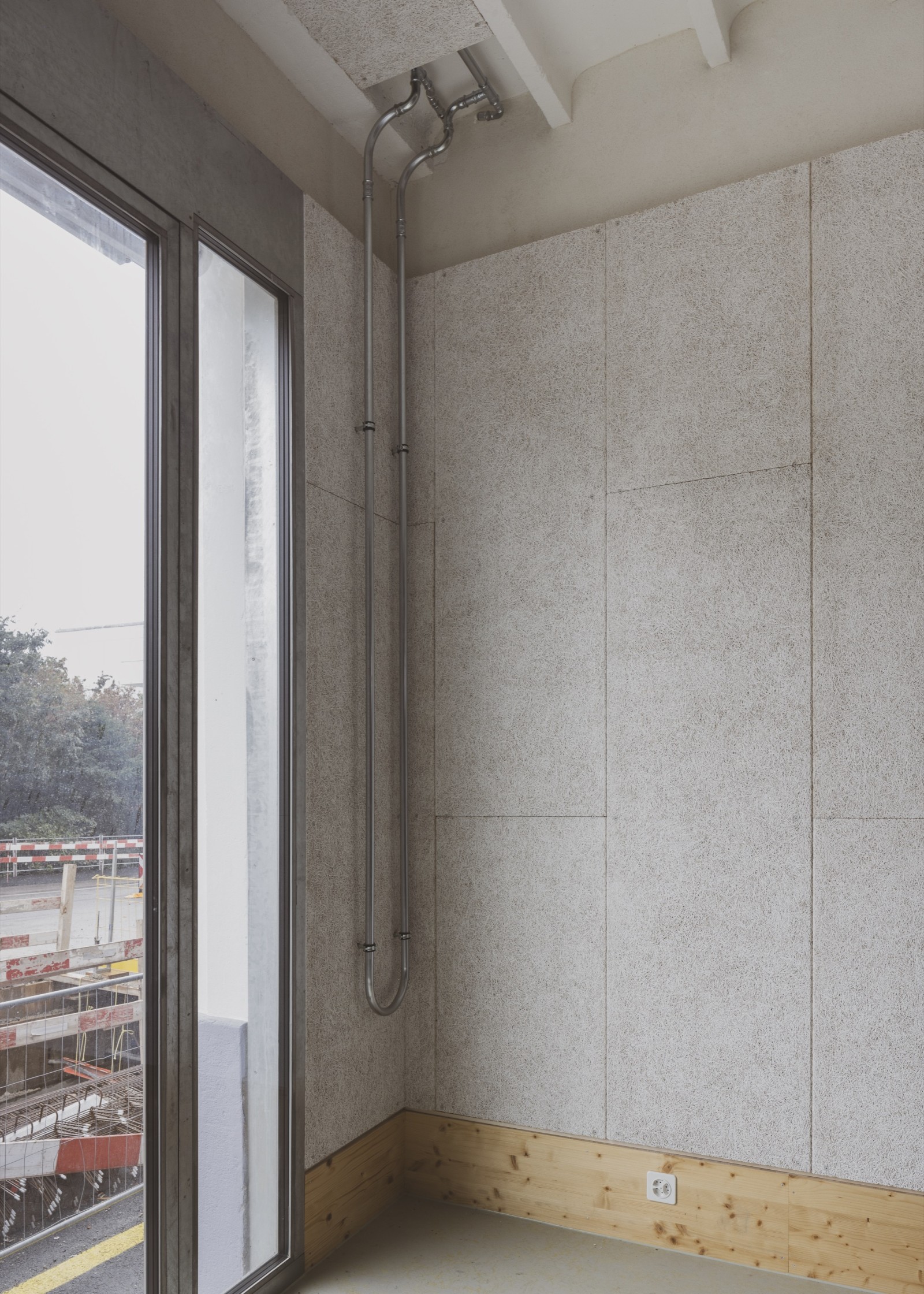
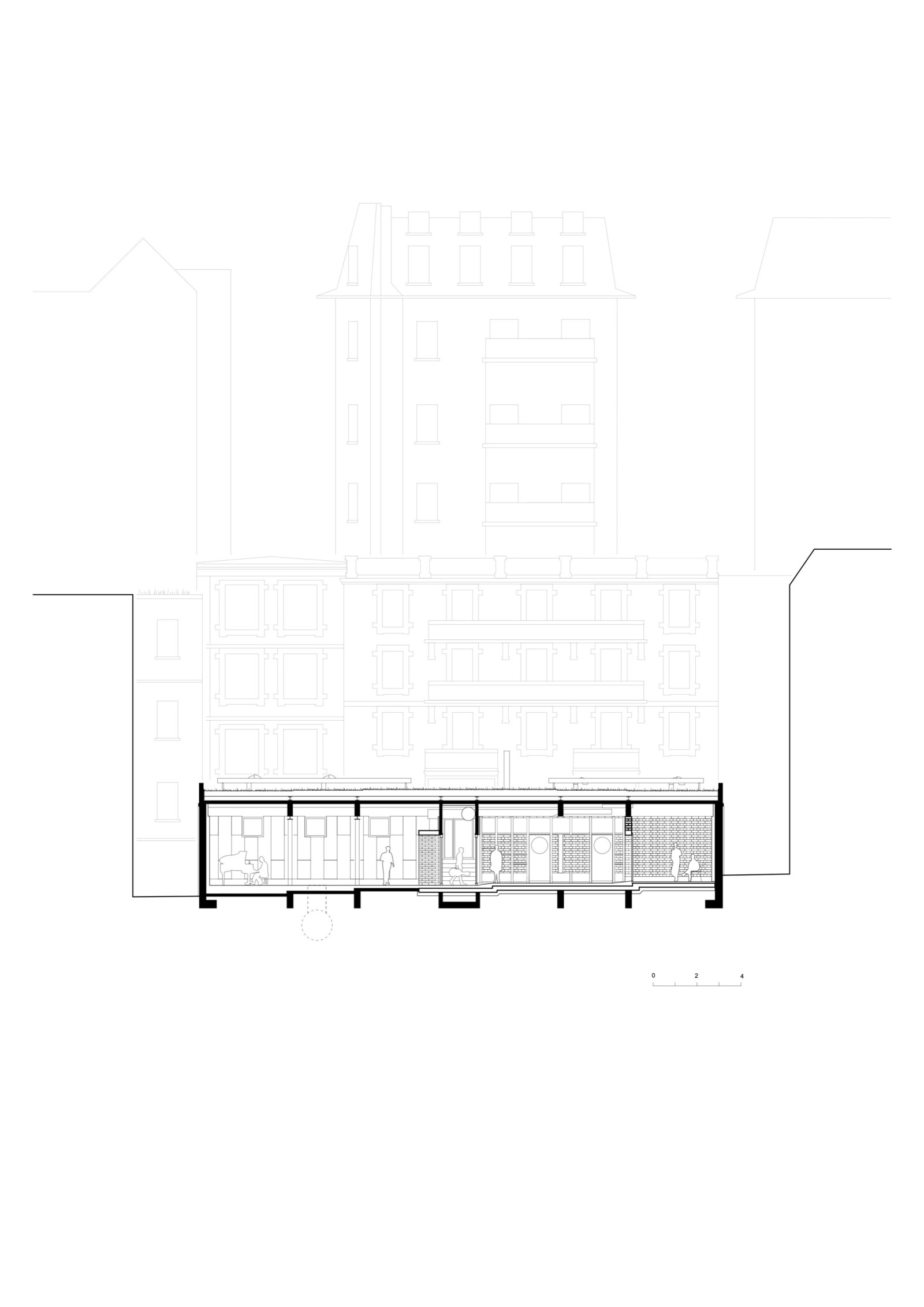
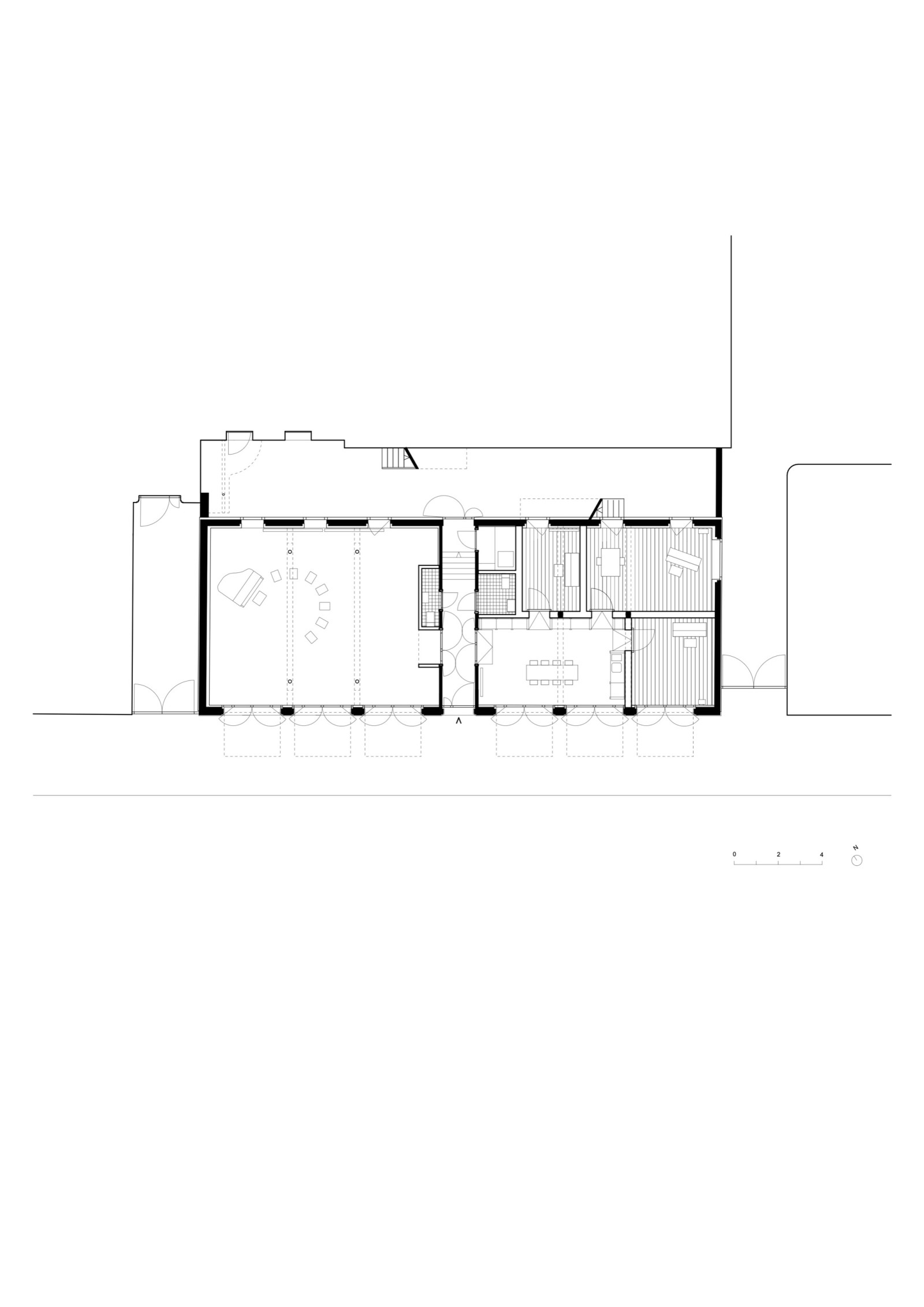
The transformation of a car repair workshop into a music school is the result of a process that we would like to describe as organic. The early occupation and activation of the site, the layering of the building site, materiality and aesthetics, the development of sober, sustainable technology, and the repurposing of the existing structure represent the various strata of a project whose transparency of the building process should be the outcome.
From the outset, this conversion was envisaged as a process, a succession of actions that feed back into the transformation as a whole.
Prior to the works, the site is taken over by the architects’ studio, who use this opportunity to experiment in situ with the volumes in question and to develop the proposal in consultation with the client: student residencies are set up to broaden the discussion on the site’s potential, and various cultural events are organised there. For example, a concert prompted the decision to free up the central space by relocating the columns to improve the spatial quality of the auditorium. This immersion enables an understanding of the urban context and the existing built environment from within.
Consequently, planning is developed in parallel with the construction work, as a way of keeping options open where necessary, whilst making radical, definitive decisions that determine the course of the entire project relatively quickly.
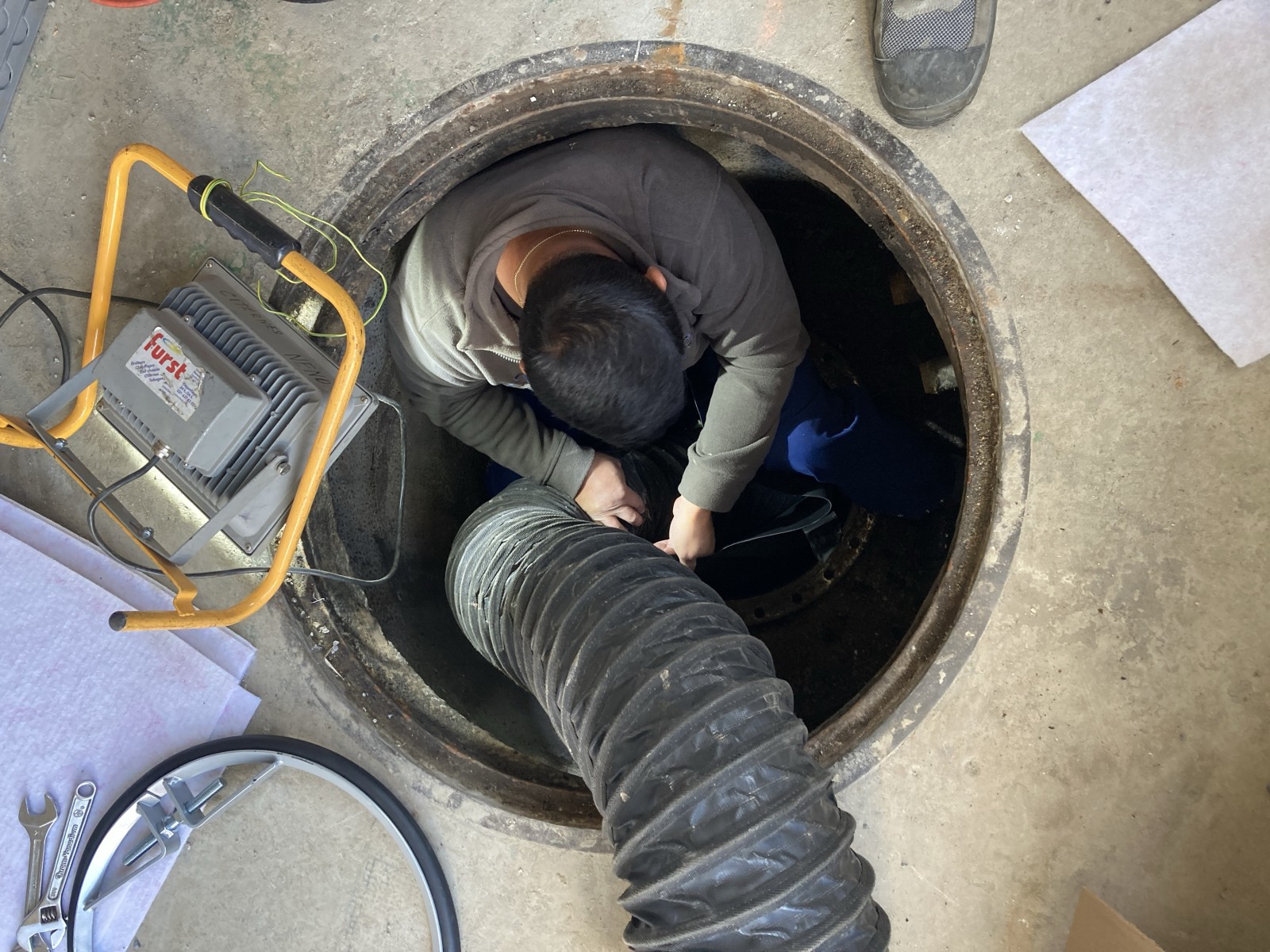
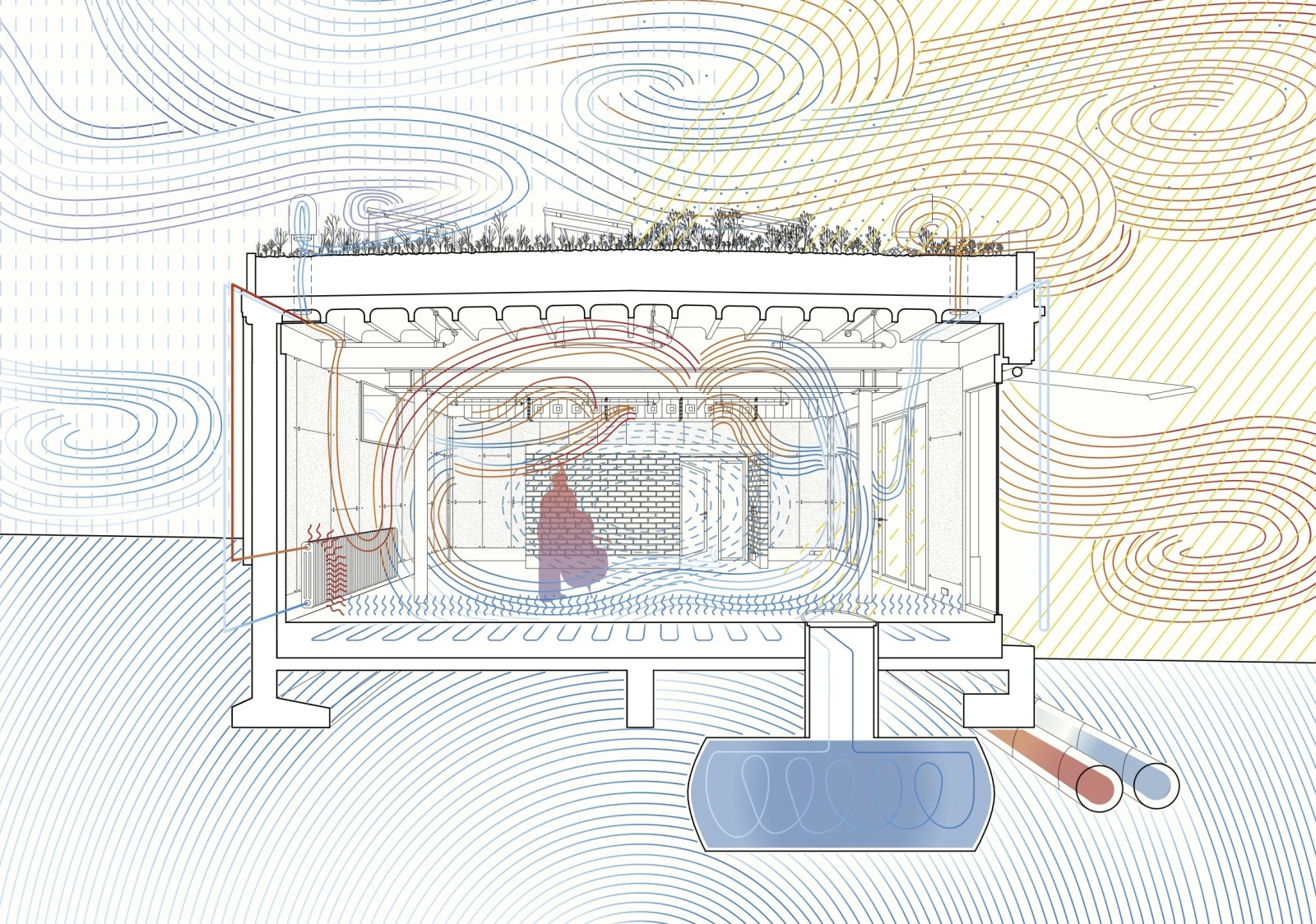
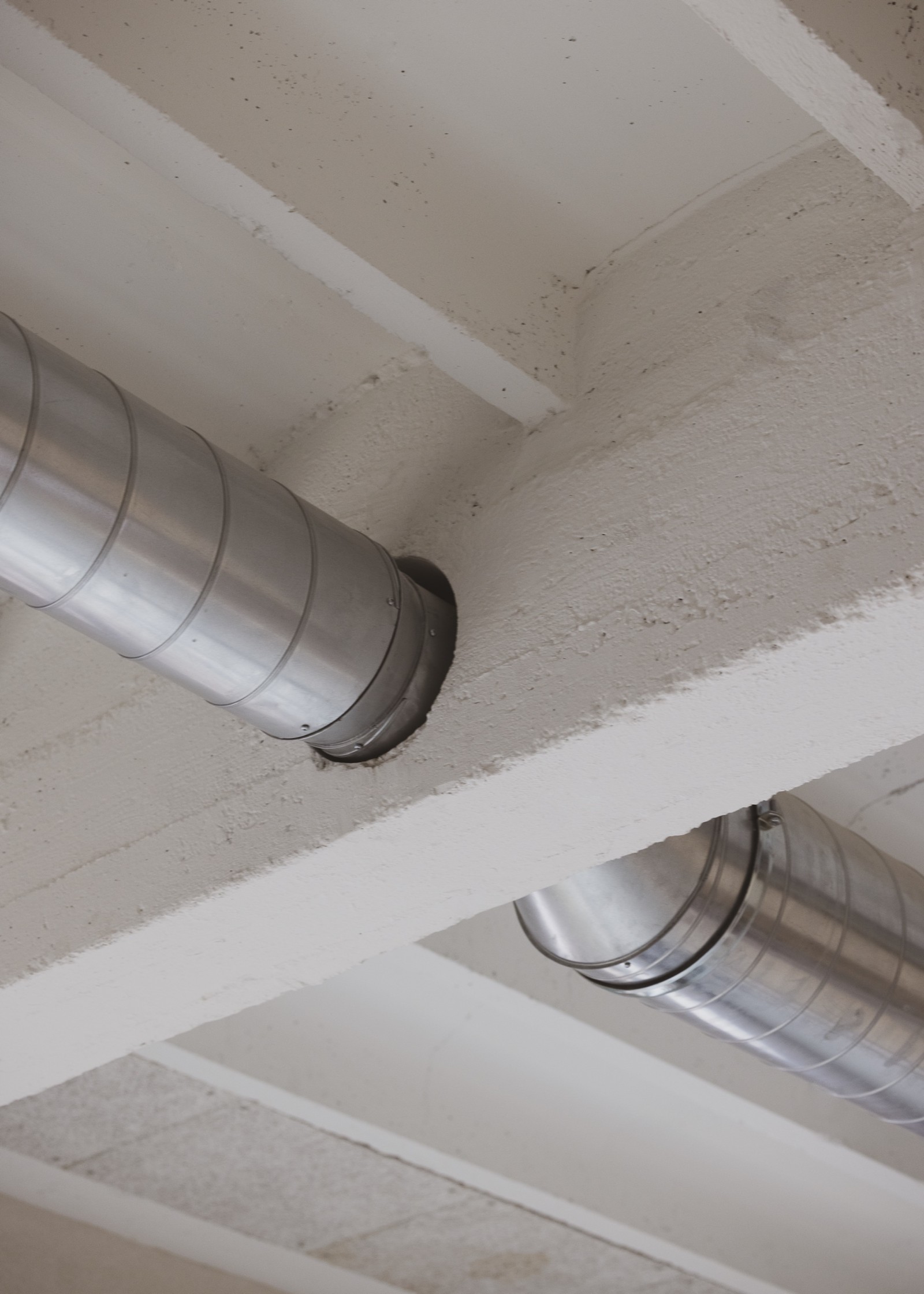
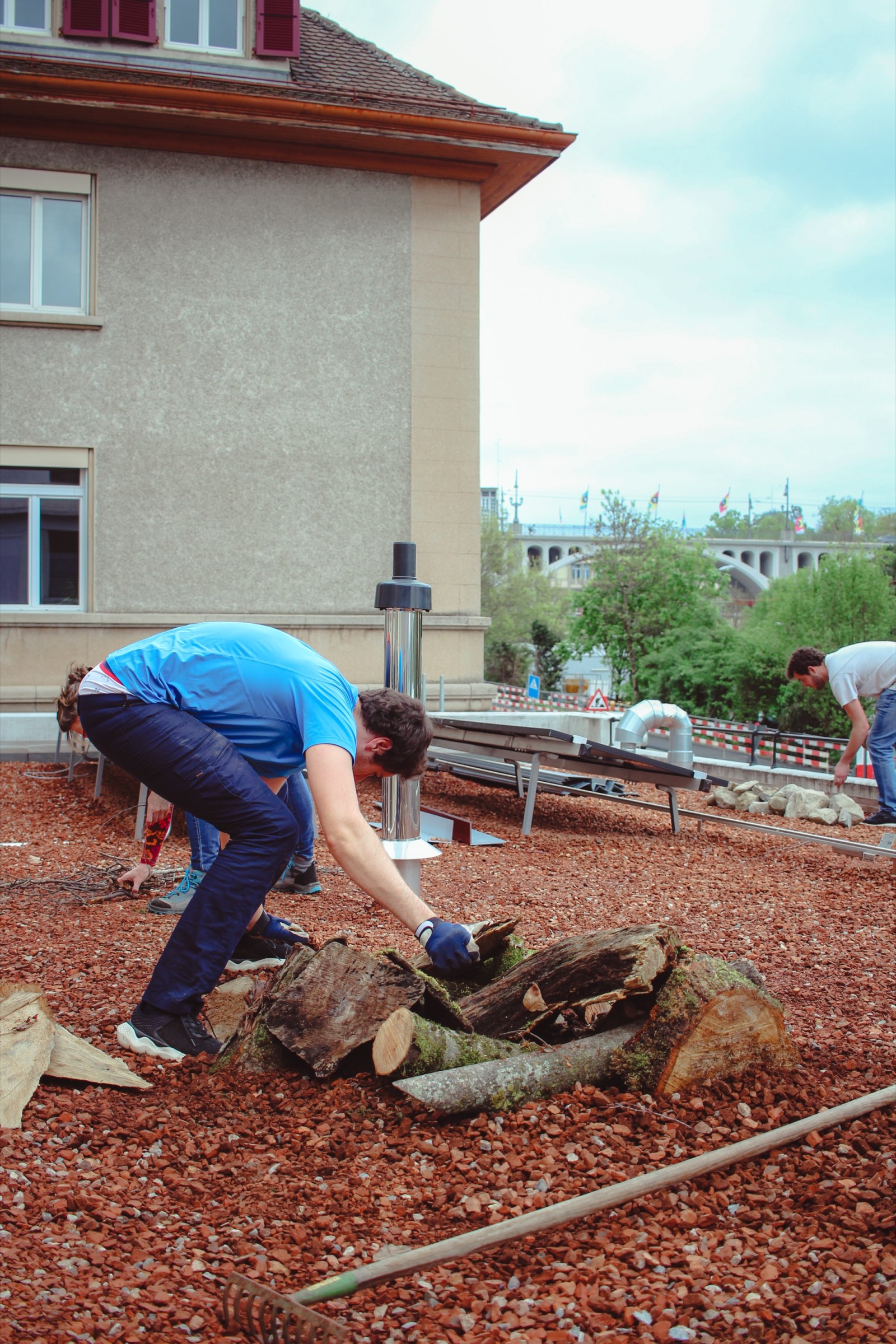
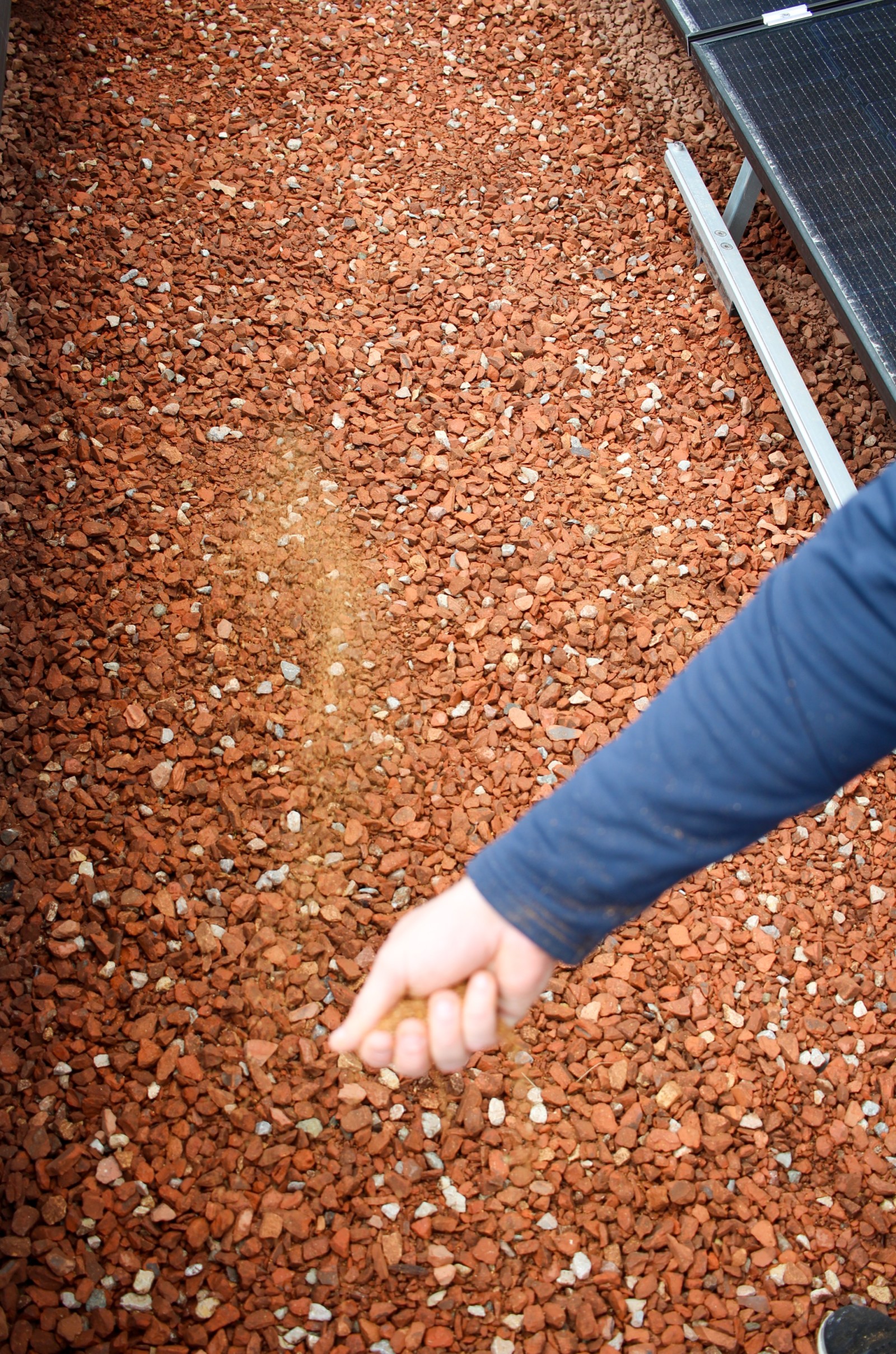
Wherever possible, reuse has been prioritised. This applies, for example, to the conversion of the fuel oil tank into a water tank for the cooling system, or the use of the ceiling ribs to enclose the air preheating system. These technical aspects take into account the imperatives of simplicity and sustainability, as evidenced by the adobe brick walls chosen for their hygrometric properties, or the improvement of the building's thermal self-regulation through the cooling effect of the green roof.
It also seemed interesting to show how the new blends seamlessly with the old, without any real distinction. The aesthetic that emerges from these choices – the use of raw, sourced, qualitative materials such as meticulously laid adobe bricks, fir flooring sourced from a sawmill of Lausanne, the Swiss timber furniture assembled entirely without glue, or natural linoleum – appears to be consistent with the building’s original purpose and immediate context.
The technical elements (water, electricity, ventilation, heating), which are usually concealed, are treated as a built layer equal to the others, whose materiality does not need to be hidden or buried. In addition to facilitating future interventions, adjustments or modifications, this is a choice in favour of transparency in the architectural gesture. This option offers a more direct understanding. The object delivered thus takes the form of a sensitive, aesthetic and functional whole; a flexible tool to be taken in hand by those who use it.
Project team: Zoé Aymon, Jean-Michaël Taillebois, Sébastien Tripod
in collaboration with:
Civil engineering: Demierre consulting
Acoustic engineering: Décibel Acoustique
Building physics: Perenzia
Earth Block (CSEB): Terrabloc
Furniture developed in collaboration with designer cabinetmaker Jules Desarzens and carpenter Louis Gibault
Workshop on roof design and seeding with the users, co-organised by Antonin Basser (landscape architect)
Users: Compagnie Albertine
Project Owner: private patron